2014: A Year in Facts and Figures

A very quick snapshot of Civilian Theatre’s year theatre, as captured by WordPress.

73: Plays Seen  (36% up on 2013)    

69: Plays Reviewed

This includes:
8 Shakespeare Plays (11%)
10 Musicals / Operas (14%) 
37 were new works (50%), of which 22 were not based in existing literature or historical events (30%)
6 were in a foreign language (8%)


Most popular posts of 2014

1. The Crucible

I am sure it was the popularity of Arthur Miller’s classic play and not the appearance of chisel-jawed Thorin Oakenshield in the cast that propelled this to the top of my most read articles of 2014.

2. A Dream Turned Sour

Anything that increases the popularity of The Tiger Lillies is fine by me. This production, orchestrating World War One poetry, was all the things that they do well. Bringing a new and revealing power to well known works by filtering it through their atmospheric baroque soundscapes.

3. The Nether

So it appears I am the only one who thought this play was entirely average and not nearly as interesting as it seemed to think it was. Other bloggers appeared to have loved it and it has got a West End transfer, so it shows how little I know about such things.


Top 10 Countries by Visitors (thanks guys!)

  1. United Kingdom
  2. United States
  3. Brazil
  4. Germany
  5. Australia
  6. France
  7. Canada
  8. Italy
  9. Spain
  10. Russia Federation
  • Civilian Theatre was visited by people from 112 countries in 2013. Up from 83 last year. This represents 58% of all countries recognised by the United Nations.
  • However I hope the one person from Nepal will visit again next year. A lot to do in Africa with the majority of the continent not finding their way to the site. Better news in the Middle East where we even managed to get multiple views from Iraq and Syria. Clearly Civilian Theatre is part of the bumpy road to democracy.

The worldwide reach of Civilian Theatre
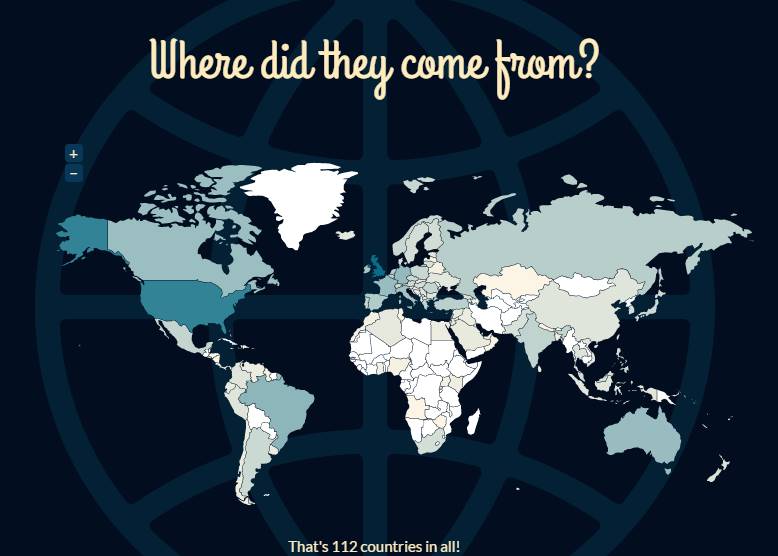
Countries


The Grand Tour? Oh you mean ‘Le Grand Tour’, oui?

The Grand Tour – Finborough Theatre, until 21 February (tickets)

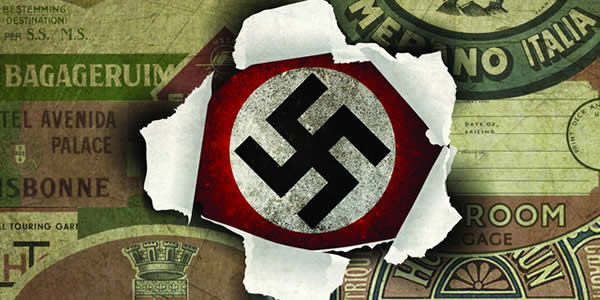
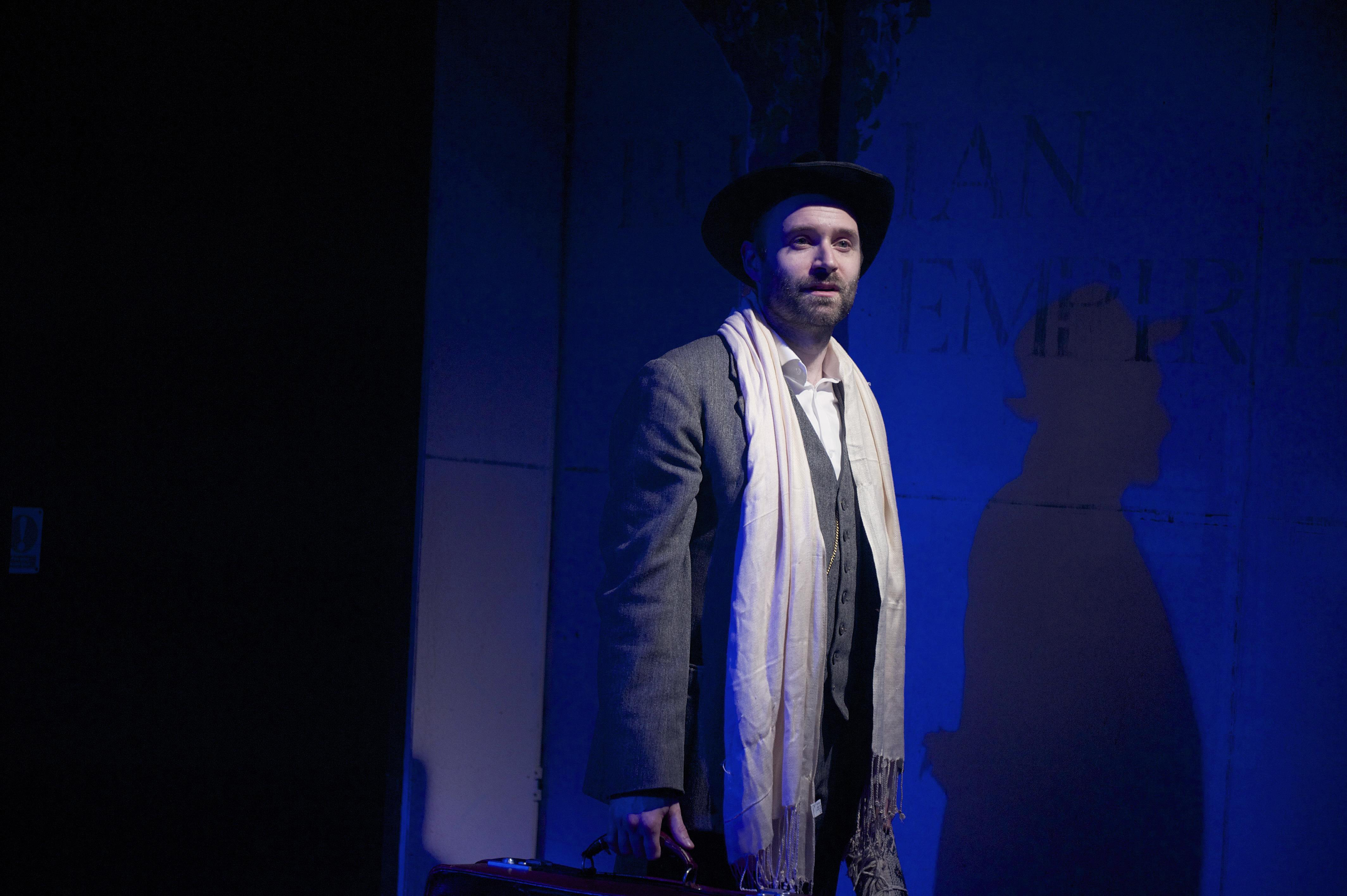
In Hello Dolly Jerry Herman can lay claim to having created one of the most successful Broadway musicals of all time. It ran for over 2800 performance and won a staggering 10 Tony Awards. Two decades later he enjoyed another huge hit in La Cage aux Folles, which has won a major Tony in each of its Broadway runs.The Grand Tour 3 Alastair Brookshaw (Jacobowsky) photo Annabel Vere

In the decade between these two huge hits Herman wrote three less successful musicals (which include the cult classic Mack and Mabel) of which one was ‘The Grand Tour’. It has never having previously been performed in Europe and there was, despite the Finborough’s mighty reputation, a question mark in my mind over the reason why this might be so.

Well it certainly isn’t a dud. If this is not the strongest musical to hit the London stage then one only need cast a jaded eye over the offerings from ‘Theatreland’ to see that it is a long, long way from being the weakest.

However for all the spirited energy of the cast and another piece of spritely direction from Thom Southerland – who currently appears to be operating a cartel in the relatively niche field of small-scale musical direction – there are enough problems with Michael Stewart’s and Mark Bramble’s Book to suggest the work is destined to remain a curio piece for the dedicated rather than be reassessed as a missed masterpiece.

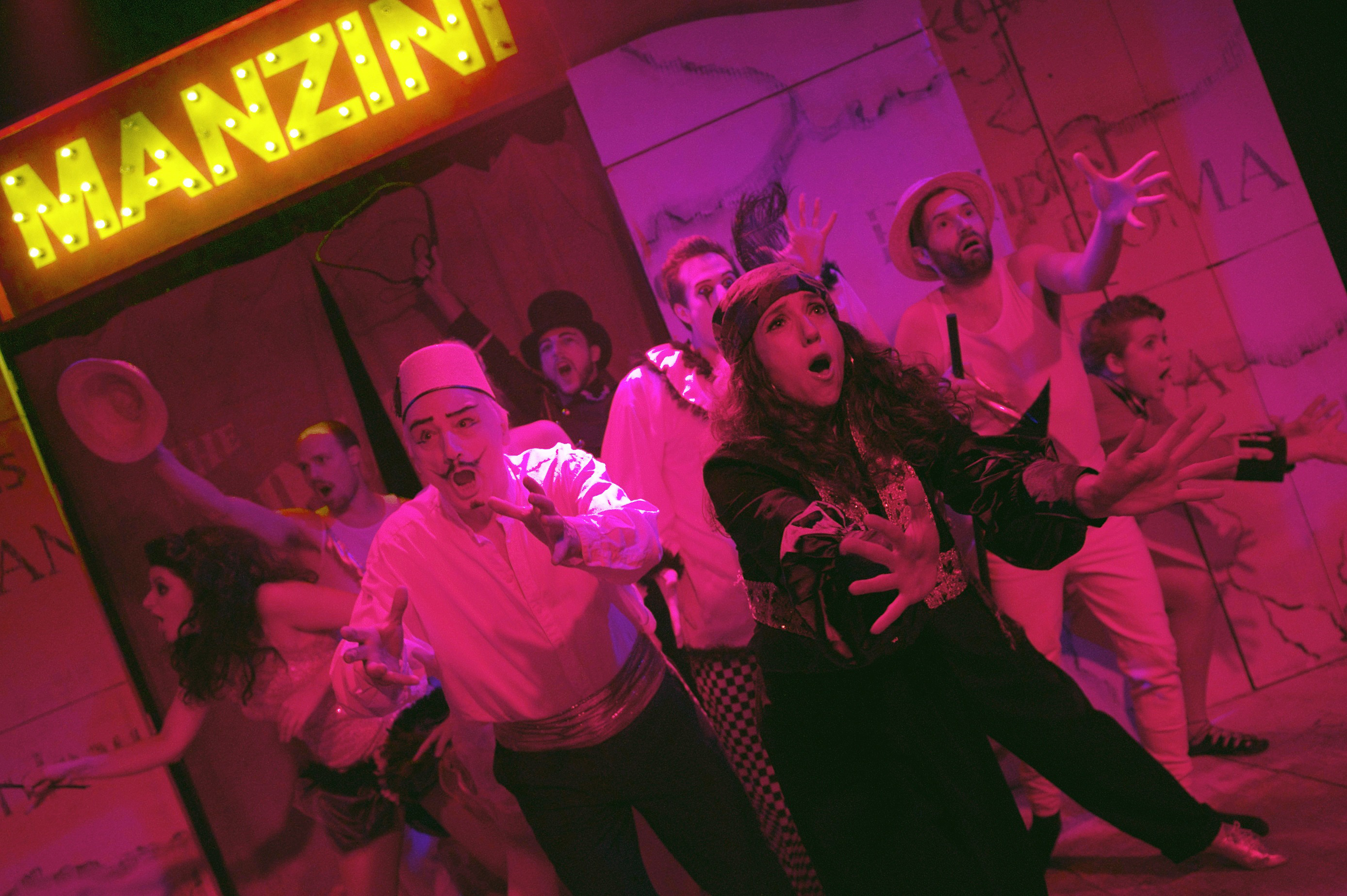
The Grand Tour 5 Natasha Karp, Nic Kyle, Vincent Pirillo, Michael Cotton, Samuel J Weir, Laurel Dooling Dougall, Alastair Brookshaw and Lizzie Wofford photo Annabel VereThe main problem is that, despite being based on a pre-existing play, the production feels more akin to fragmentary scenes forced into a thematic connection by the overarching story of Jacobowsky and the Colonel. As a result, after a strong opening, we have ‘a scene on a train’, ‘a scene at the circus’ and then, most jarringly, ‘a scene at Jewish wedding’. All of these are performed extremely well and are very enjoyable to watch, but it is hard to be convinced as to why it is all occurring.

The relationship between the three leads is rather too closely reminiscent to the dynamics between Rick, Ilsa and Laszlo in Casablanca. However the creators are too fond of Jacoboswky to allow for the depiction of humanity’s shades of grey that makes Casablanca such a masterpiece. In the end Jacoboswky is both the humane, philosophical Jewish refugee and the hero who will lay down his life for his friends.

In opposition to this Colonel Stjerbinsky really is a clunking idiot – at least Victor Laszlo got the wonderful moment of being able to singLa Marseillaise to remind the audience why Ilsa would have fallen for him in the first place. Without a similar moment we are left to wonder why on earth Marianne prefers him to our hero, Jacobokwsky, and how Stjerbinsky got even half as far as he did without someone selling him out to the Nazis.

Yet despite all of this, it still works remarkably well. There are a number of songs that show us that Herman was still in the middle of his three decade purple patch. I’ll be here tomorrow would stand
up well in any musical, and underneath the lightness of touch is a reminder of the quiet pain and necessary stoicism of anyone born into a Jewish family pretty much anywhere in central Europe in the first half of the 20th century.

<<Continue to full review>>