All harmless fun?
Game – Almeida Theatre, until 04 April 2015 (Tickets)
This review contains spoilers. If you want to know nothing about Game then read no further.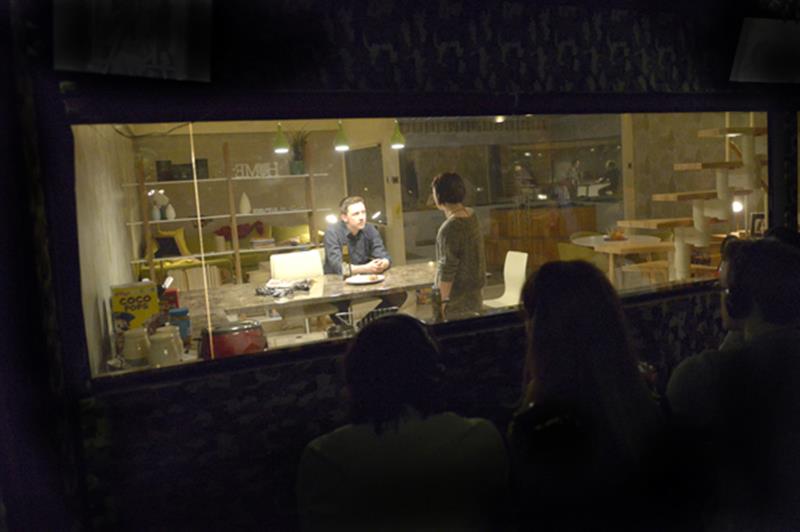
Civilian Theatre rarely bothers with spoiler announcements as it usually possible to talk about a play without needing to go into any specific elements that would ruin the element of surprise. However the Almeida has been tight lipped about the production and going in blind – having avoided reviews entirely – really enhanced the impact of the show.
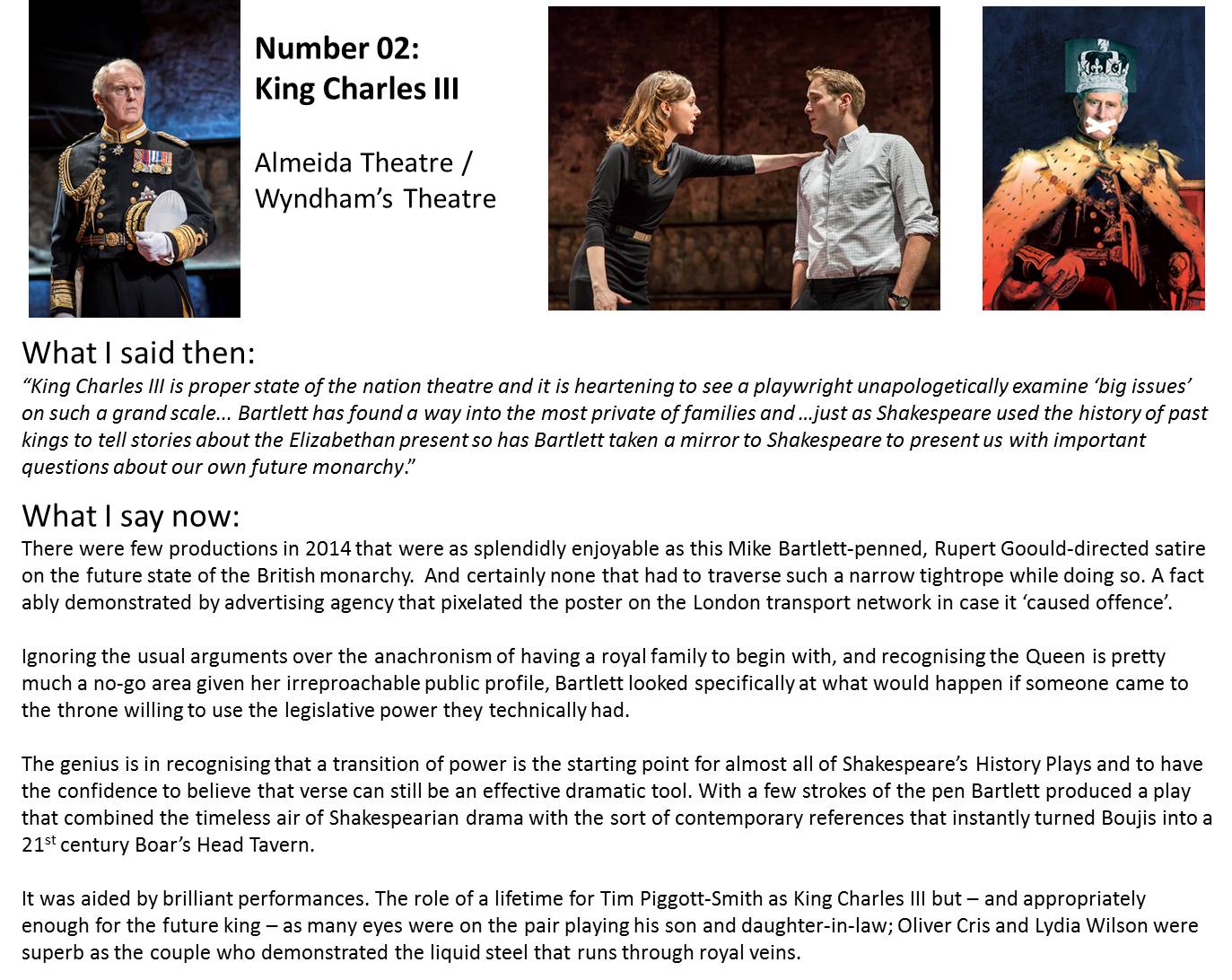
Game is Mike Bartlett’s follow-up to the crowd-pleasing smash-hit King Charles III, which started life at the Almeida before setting up camp in the West End. Where King Charles III paid homage to Shakespeare’s history plays, was written in iambic verse and clocked in at over two hours, Game more than nods towards Big Brother, is written in modern English and is wrapped-up in less than hour.
However they share a common theme in that they both exist in an off-kilter near-future world where events occurring seem unlikely but are not impossible to imagine. In both Bartlett displays an interest in society’s relationship with privacy. In King Charles III we see the issue played out on the grand scale – a ‘great men of history’ perspective that sees change arriving from the top down.
In Game we see another reality; a constant chipping away of our notion of privacy from the bottom-up. It is a world where entrepreneurs continually test the boundaries of acceptability until we have reduced people to the same voyeuristic abstraction that we hold for animals in the zoo. The starting point may be hard to pin down but Big Brother will be remembered as a watershed moment; the point where we realised that people would volunteer to be placed under constant surveillance to entertain the masses, and the masses tuned watched in their droves.
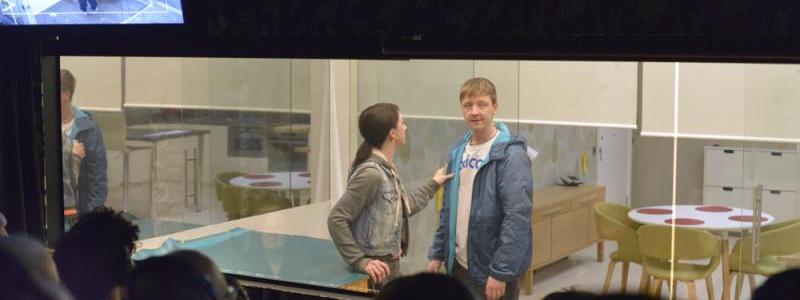
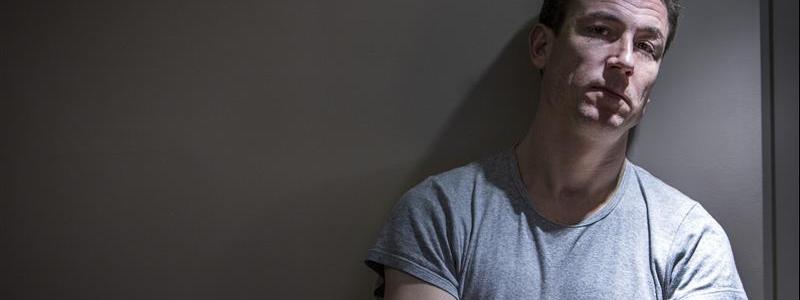
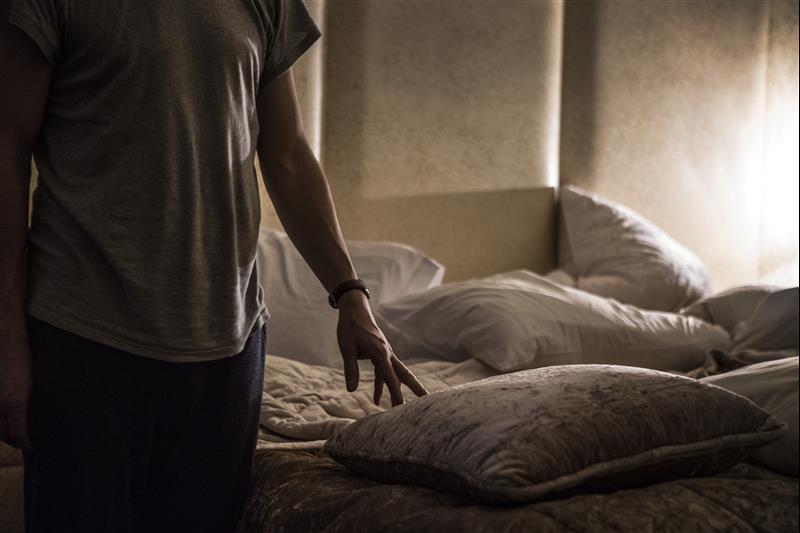
Game takes this moment and follows the idea to its natural conclusion. Eventually watching isn’t enough. Voting people out satisfied needs for a while but, as I’m A Celebrity proved, given the choice we prefer to also have the option of meting out ritual humiliations on those who take part. John (Daniel Cerqueira) keeps prodding at those boundaries; initially renting out a house to a couple where it appears we get to watch them live their normal lives, before it becoming apparent that they are in fact prey for those who can afford it.


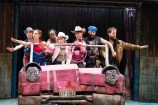 his is really interesting stuff, and the concept of three standalone acts that appear to echo the cultural development of storytelling is intriguing. The cast begins around a campfire – an updated version of those first ancient people telling each other stories round a fire, repeating them so often that they become fixed as an early truth. The second act, seven years later, has seen them morph into travelling players, spreading knowledge and culture across a divided and disparate society, before the third act, 75 years later, sees the performance fully embedded in the prevailing culture, taking on aspects of religious tradition, characters becoming symbols of good and evil, with Mr Burns emerging as a figure within modern folklore; a demonic embodiment of the dangers of nuclear power and its destructive influence.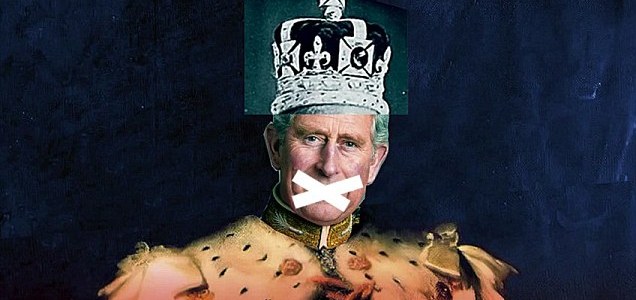
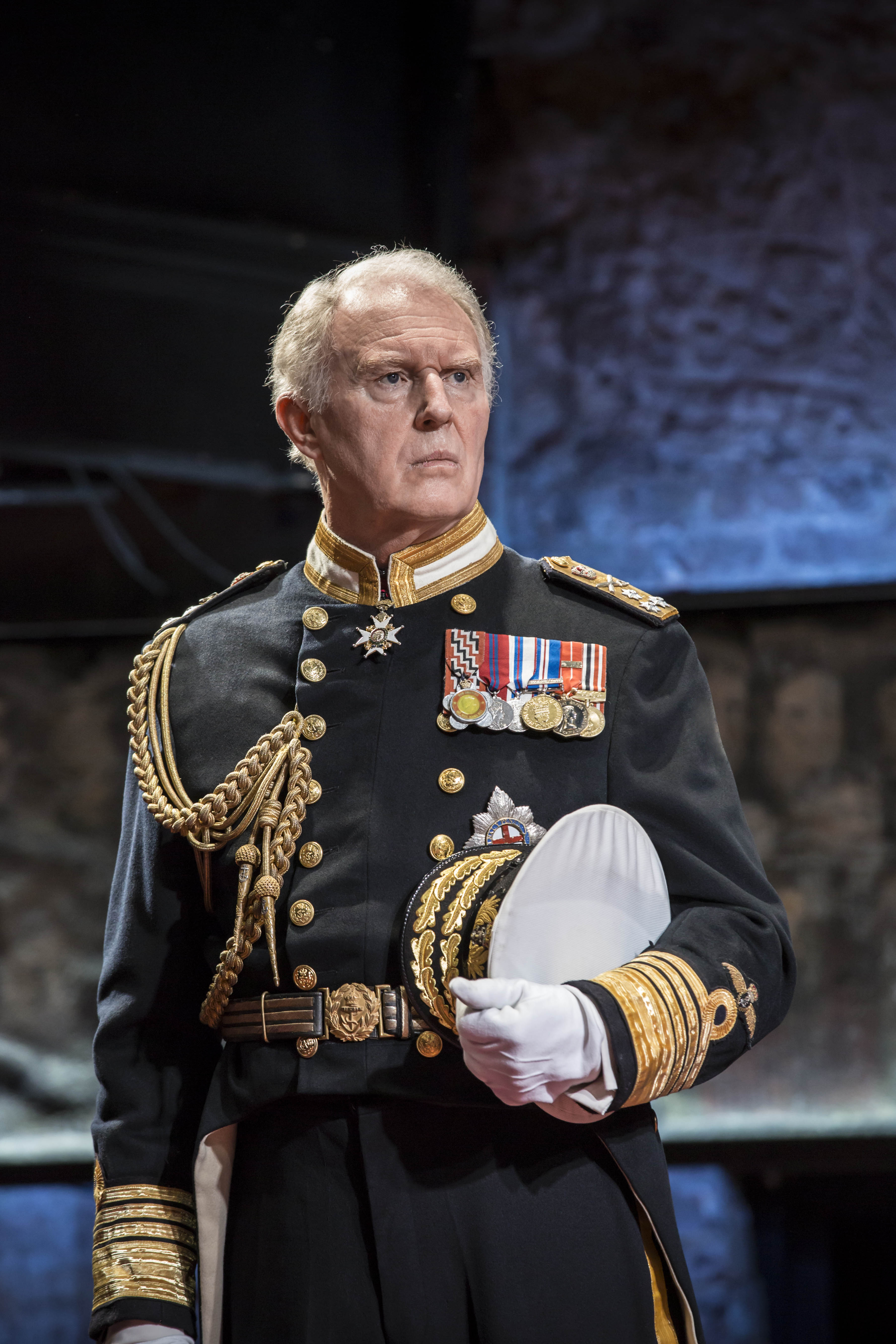
 The greatest PR trick that royalty has ever pulled off was to create this public image and then to strenuously avoid revealing their true face. Our current Queen has studiously kept to this template and it is notable that it is only when the mask slips that the public begins to question their value. As we enter a new era, the age of Will and Kate and of smartphones and public accessibility, this model is in a state of flux and Bartlett has pitched Charles’ succession as the moment that the new and old world will collide.
 Civilian Theatre