To keep your voice while all around you are losing theirs…

Dumbstruck – Fine Chisel @ Battersea Arts Centre, until 19 July

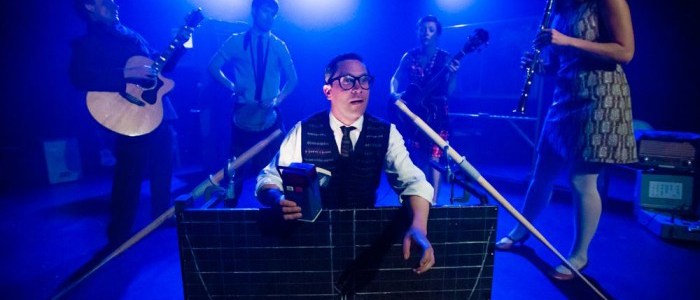
You really would have to be a rather hard-hearted soul to dislike Fine Chisel, the theatre company behind Dumbstruck; under Tom Spencer’s artistic directorship they create effortlessly charming work that belies the graft Robin McLoughlin as Ted, Dumbstruck at BACneeded to generate such lightness of touch. Dumbstruck may not be without flaws but it is rarely far from raising a smile when the talented cast of five – switching fluidly between roles that require them to be multi-instrumentalists, singers, dancers and actors – are in full flow.

Fine Chisel settled on an intriguing premise – that of the loneliest whale in the world – and crafted a multi-stranded story around it. It is a good starting point for such a musically-inflected company as whales are indelibly linked in the imagination with the slightly dreamy idea of the whale song. They communicate through a form of music and are a natural fit for a company like Fine Chisel, who often seem closer to integrating theatre into their music than music into their theatre.

Carolyn Goodwin in Fine Chisel's Dumbstruck 9Dumbstruck has a lovely opening, with instruments played in unexpected ways to create a sense of the oceanic wild and the strangely alien sounds of the whale. It is an engaging start and as the play widens its focus into the Alaskan wilderness and Ted’s research station it shows huge promise as an aural existential fantasy; an ode to isolation, conducted through music, seen through man and through the great unknowable, unseen presence of the whale.

However as it opens out to reveal Ted’s journey and introduces the figures of Fiona and Mal, who both wrestle with their own increasing sense of loss, it is unable to sustain its focus on this initial premise. At times the production seems to suffer from a lack of confidence in itself; it lacks stillness and has a forced busyness as it flits from idea to idea with little time to settle. The performers are talented enough, in particular Robin McLoughlin’s Ted and Holly Beasley-Garrigan’s Fiona, that you wish they would slow down and allow their presence to wash over the audience.

Underpinning it all is the music and here Fine Chisel can do no wrong. The sound is gorgeous throughout, from the lovingly created ocean-scape to the finely rendered pastiches of 1960’s pop and folk, whilst even the
transition scenes are underscored by a wonderfully jazzy sound that seems to channel the finger-snapping funk of Charlie Mingus.

<<Continue to full review>>

Wot No Fish 2_Credit Malwina Comoloveo

For madeleine read fishball

Wot? No Fish!! – Battersea Arts Centre, until the 19 July 2014 (Tickets)

It has taken Wot? No Fish!! a while to reach the Battersea Arts Centre. After spending two years in development, it premiered at last year’s Edinburgh Festival before working its way through the regional theatre circuit then finally arriving in London just as Edinburgh begins for this year’s crop of hopefuls.

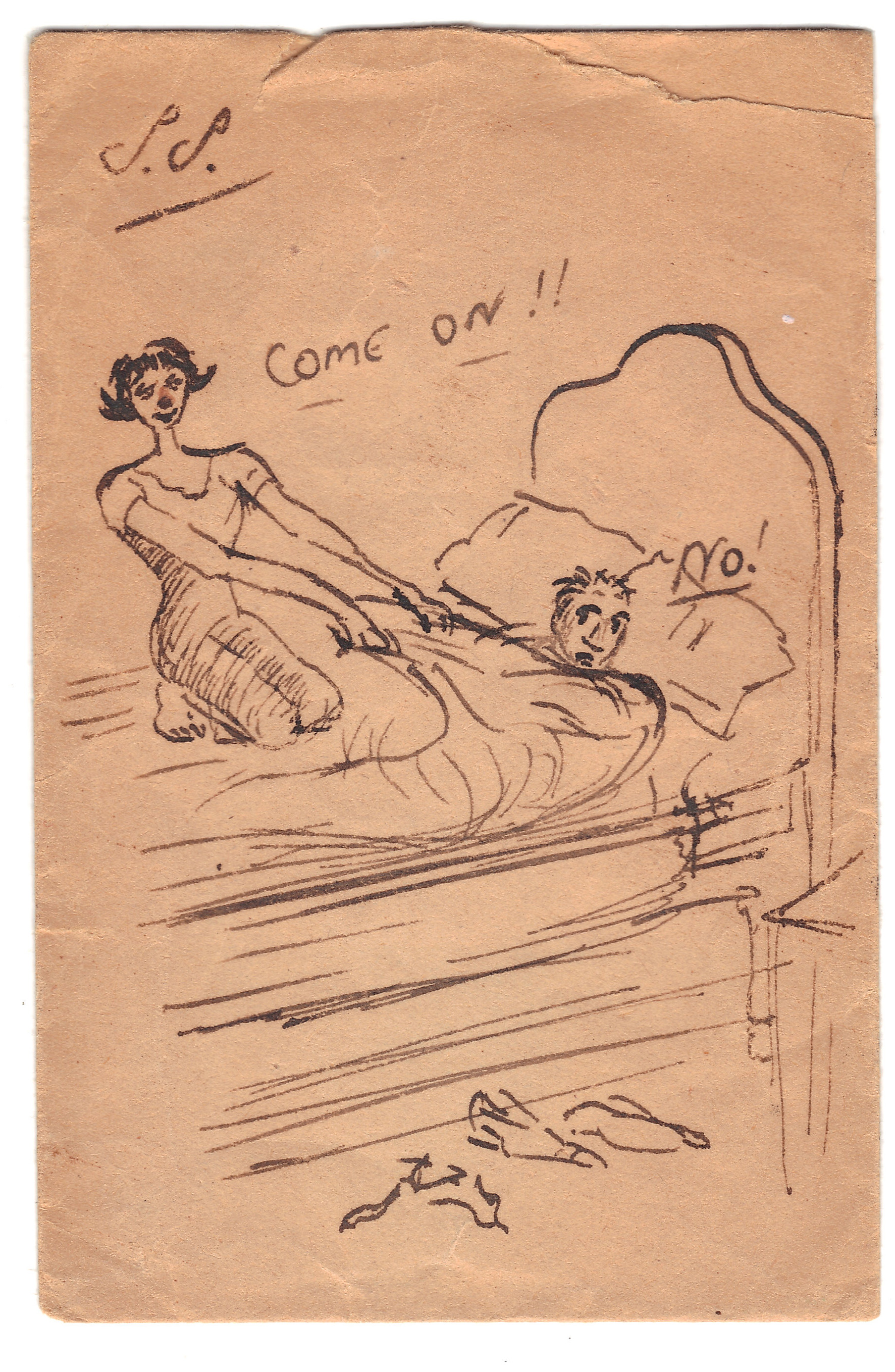
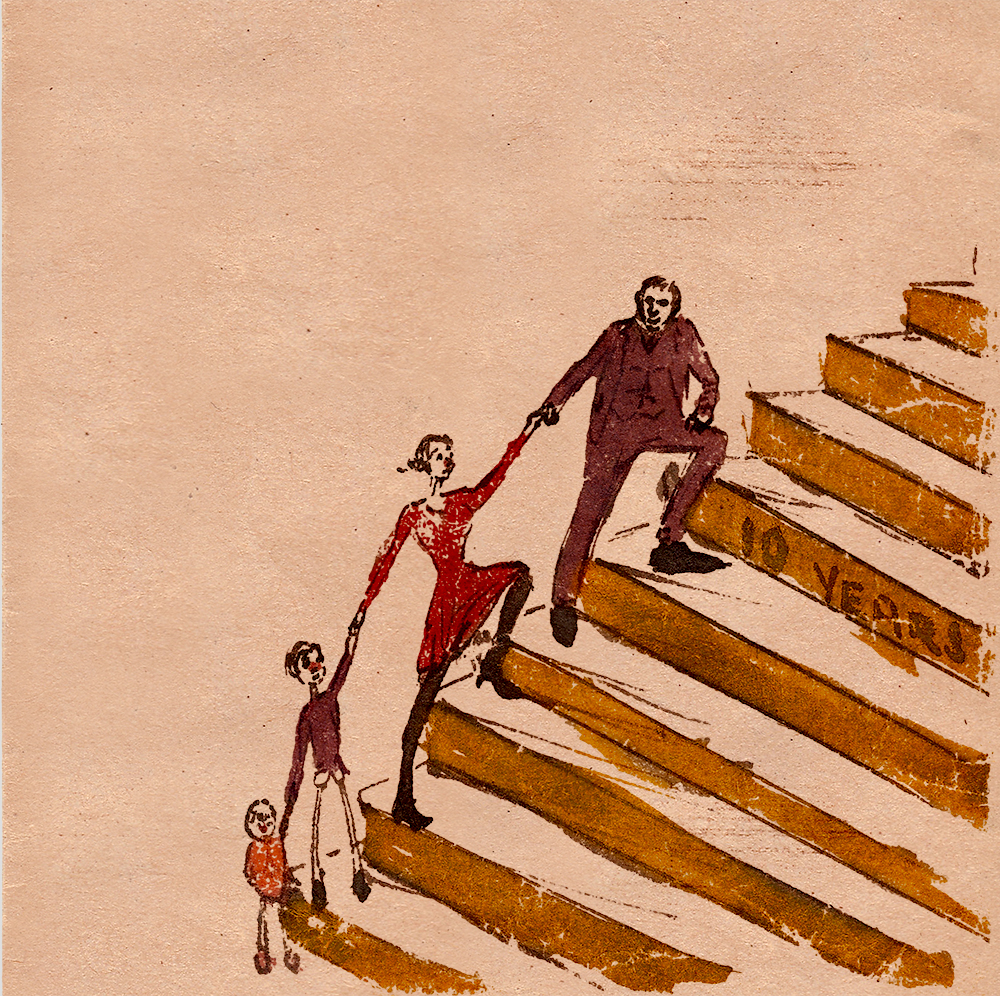
Except this isn’t quite true. The story we are told pre-dates all of this by the best part of ninety years, and the show was already there just waiting to be found. For Danny Braverman has pieced together, drawing on his ownBattersea Arts Centre_Wot No Fish family history, a far more tender and moving story than could ever be realistically crafted in fiction: the life of an East End Jewish shoemaker and his family told through the weekly sketches he gave to his wife on the back of his wage packet.

It may be told with all the simplicity of a fairy-tale but the magic is created in the natural complexity of the lives of real people. It is a story of a family who may not have encountered witches, dragons and quests but instead must confront argumentative sisters, the threat of war and a move from the East End to Golders Green.

This is the story of Celie and Ab Soloman and we hear about their lives through Braverman whilst seeing it brought to a vivid reality through Ab’s miniaturist cartoons; it is less a play and more an illustrated aural biography. Braverman has made a wise decision to not perform the story because he has realised that all the drama exists in the pictures; he recognises his role is to explain, to be our guide through the lives of others.

Battersea Arts Centre_WNF_Ab Picture_6The production has a few touches that hint to its past life at Edinburgh, perhaps some will find the slightly whimsical delivery irritating and the attempts to engage the audience a little heavy-handed but this is just part of the charm of a production that is constantly reinforcing a sense of community and of shared stories.

As Proust starts with a madeleine so Braverman starts with fishballs. And if you didn’t already know you were entering the close knit world of east end Jewish families then the references to gefilte fish and chrain prove something of a clue. It is the memory of this snack that accompany him on a trip through hospital and it is the recurring motif that Braverman returns in order to continue unravelling the lives of Celie and Ab over time.

Braverman acts as a curator of the work. The care with which he has unpicked and ordered the events is staggering. There are over 3000 works in total and we are shown a carefully woven selection to build a richly textured picture of two lives that we never knew existed before walking into the room. By the end of the journey (inevitably it must end and like all human journeys it can only end in one final destination) we feel we know them as well we know our own relatives.

<<Continue to full review>>

The war poets find their voice with The Tiger Lillies

Micro-review: A Dream Turned Sour – The Tiger Lillies @ Battersea Arts Centre

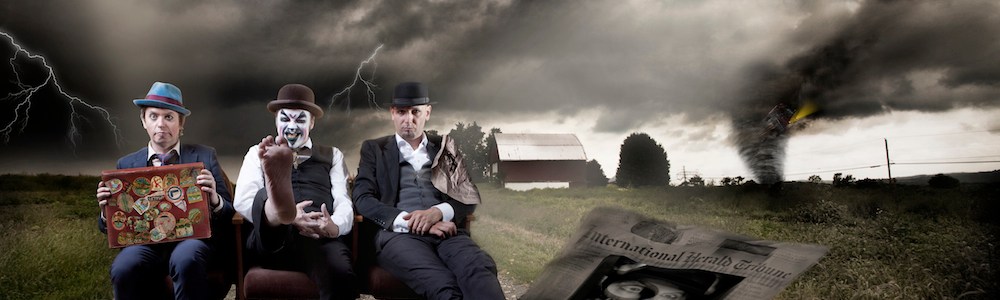
It remains questionable whether A Dream Turned Sour can be considered as theatre but since it acts as one of the closing shows of the 2014 LIFT Festival, and has otherwise been ignored by the massed ranks of music critics who are clearly more enamoured by the potential for a dream collaboration between Dolly and Metallica at Glastonbury than in writing about this warped, reimagining of the celebrated poetry of the first world war, it is up to Civilian Theatre to share its thoughts.

Tiger LilliesTo those not experienced in The Tiger Lillies it is a forbidding opening – ‘Death’ repeated over and over in a gravelly, atonal voice that oppressively (and impressively) fills the great space of the Battersea Arts Centre main hall. It is the start of a performance (and with The Tiger Lillies it most certainly is a performance) by a band at complete ease with what they do – and so they should be having successfully mined the furrow of alternative cabaret for over two decades.
Their strange mix of Kurt Weill-esque cabaret, gypsy, gothic humour, and operating in a register that veers between the rasp of Tom Waits and a startling falsetto underpinned by a ferocious operatic power is quite unlike anyone else. It is certainly hard to imagine another band undercutting the reflexive conservative styling that we tend to put on the work of the war poets with quite such vigour and zeal.

The Tiger Lillies have reclaimed the bitterness and the hatred, the terror and the contempt for the generals back home, that often gets lost amongst the plaudits and the GCSE-syllabus analysis. There is a black humour in their renderings of ‘Rendezvous With Death’ and ‘God How I Hate You’ that forces you to go back to the original readings to realise the horror that the lines contain.

Others, like Wilfred Owen’s ‘Nothing Ever Happens’, sound so at ease in their new home it is hard to imagine them in any other way. However the disgust never goes away and the venom builds to such a furious, glorious crescendo of disgust at those most famous lines ‘Dulce et decorum est / Pro patria mori’ that the audience must nearly cower at the assault.

Despite the most curious style of delivery, there is great articulacy in the delivery by frontman, Martyn Jacques. Each poem has been carefully thought through to maximise the impact through presentation and the words are never lost despite the cacophony of noise coming from the three piece.

Fans of The Tiger Lillies can be assured they have not dampened their natural tendencies as a sop to the serious subject matter, and fans of the war poets can be assured that the poems have been treated with the care and intelligence the power of the writing deserves.

Listen to Dulce et Decorum Est by The Tiger Lillies

More about The Tiger Lillies

More about Lift Festival 2014

Orpheus Returns

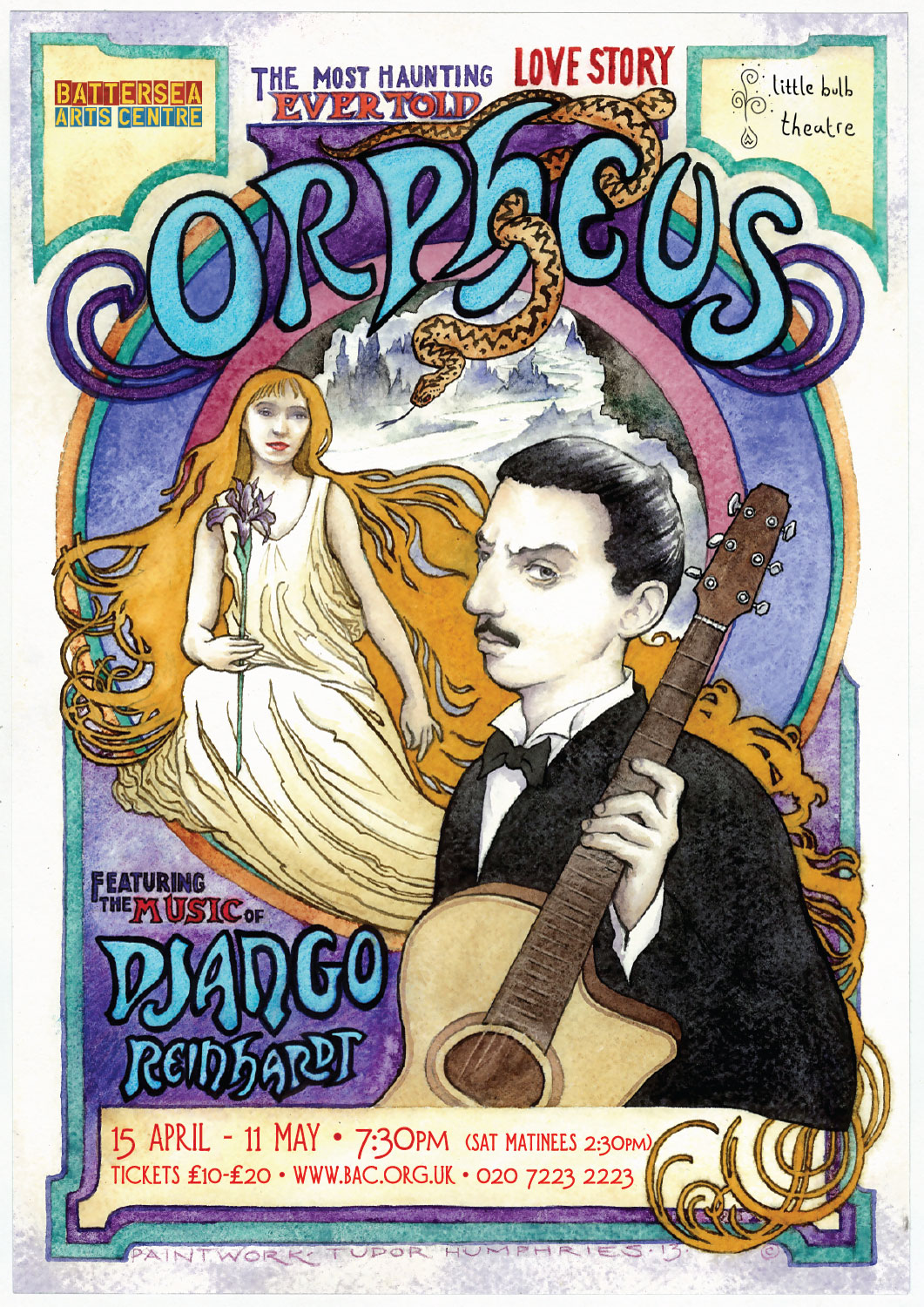
It’s always welcome to hear of a small scale show that returns due to popular demand. A Little Bulb Theatre’s highly original take on the Orpheus myth was one of those charming, quirky surprises that most unexpectedly Flyer for Orpheussweeps you off away on a wave of inventive playfulness and understated talent. An excellent cast made light work of a high-concept, high-risk approach of using the BAC’s gorgeous period interiors to recreate the feel of 1930’s Paris – pastiching both the music of that genre, early cinema and classical scores to great effect.

In light of its return then click here for the review of last year’s production, which gives a feel for the evening.

More on the Battersea Art Centre’s website.

Orpheus is on at the Battersea Art Centre until 17 May 2014.

Life is a cabaret, old chum

Ballad of the Burning Star – Theatre Ad Infinitum @ the Battersea Arts Centre then touring (details)

Or, in homage to the style of the evening, how do you solve a problem like the occupied territories?

There is no doubt that Theatre Ad Infinitum’s new production, first seen at Edinburgh and subsequently taking the old-fashioned route of touring the country before pitching up for an extended stay at the Battersea Arts Centre, takes on contentious subject matter.

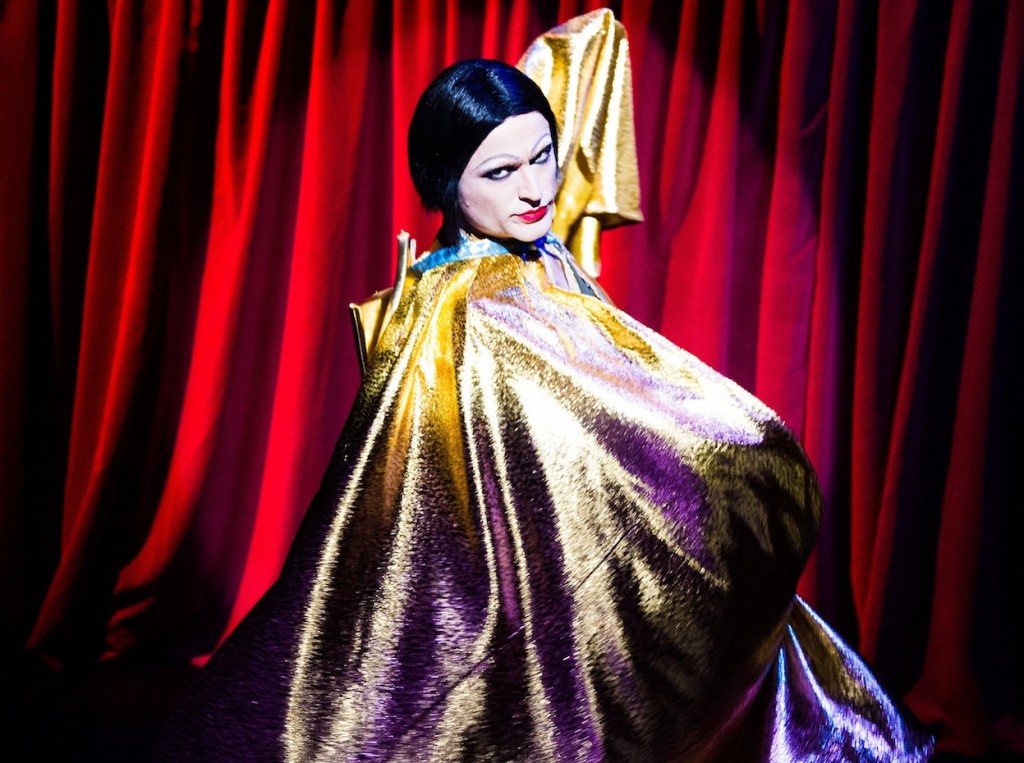
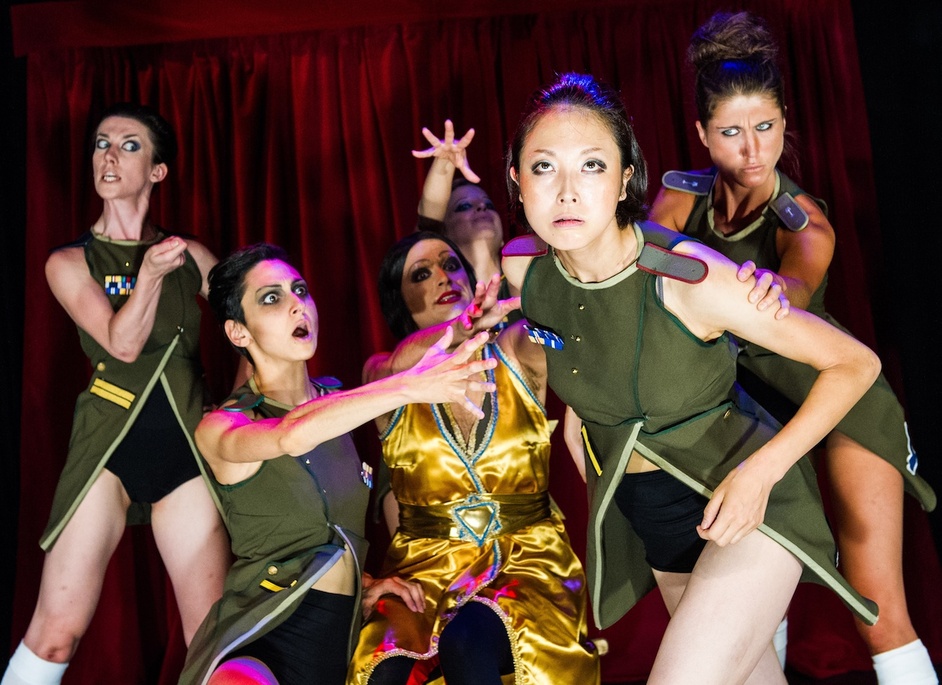
That the story is told through a drag queen and her cabaret troupe is a fun but rather unsurprising mechanism. Once a radical device, these days it does serve as a useful alienation device and, in the case of Ballad ofThe Starlets in Ballad of the Burning Starthe Burning Star, the issues remain so sensitive that it is critical for depoliticising the very act of storytelling.

The events we hear are shocking but if told as straight narrative then perspectives of the characters would be caught in the surrounding context and events discarded as being irrevocably biased. Or alternatively the play would try so hard to capture both positions that the value of the final product is fundamentally undermined.

We are told this story by MC Star and her Starlets, and through this prism the story is seen to unfold in a Brechtian manner. At no point is there any expectation that what is being seen are to be understood as real Israelis or Palestinians, the audience is reminded throughout that they are being shown representations of a family, and representations of real events.

Theatre-Ad-Infinitum-Ballad-of-the-Burning-Star-∏-Alex-Brenner-please-credit-_DSC82911-1024x763This allows certain latitude to extract humour from the story, characters are able to step outside of their roles and comment on proceedings and it allows the development of a duality and tension between the increasingly autocratic Star and the actions of Israel in the occupied lands.

That Star is played by writer and director Nir Paldi hints of a biographical nature to the story, and throughout this feels like a passion project that has developed a life of its own. It is also embeds a sense of truth that often only comes from a person with first-hand experience and, in this case, has been at the sharp-end of the consequences of forty years of regional foreign policy.

Any story must be understood within the context of its creation. The story of Israel, the lead character in the show, like so many narratives around the state of Israel, must be understood within the context and implication of the wider story of Jewish history.

Israel, the character, and Israel, the state, are separate individuals but share such a common history that the two must constantly struggle to be separated. The state and the individual share the collective memory of the Holocaust and the legacy of the historical persecution of the Jews through Europe and the Middle East is reinforced to create a state of mind of defensiveness. Both individual and state cannot be understood without understanding this context.

<<Continue to full review>>

Charming production that wears its art on its sleeve

Flyer for OrpheusOrpheus – Little Bulb Theatre @ Battersea Arts Centre, until 11 May

It is always a joy to spend an evening at the Battersea Arts Centre as, no matter the quality of the production, it provides an opportunity to spend an evening inside one of London’s great Victorian buildings. Many companies have looked to make the space an integral part of the performance; Punchdrunk exploded into the public consciousness with the Masque of the Red Death, a production that exposed the development of their unique style to a wider audience. They turned the BAC on its head – celebrating its beautiful interiors whilst building pocket worlds within it and ending with a strange blend of gothic classicism.

The BAC has a strong history of supporting new companies and providing spaces for those whose work doesn’t fit into more obvious spaces. The roll-call of success stories show a keen eye for understanding what works and what has audience appeal; providing a London-base for Kneehigh and partnering with Ridiculusmus, Complicite and Told by an Idiot demonstrates an important ability to spot the difference between the threadbare and the deliberately ramshackle.

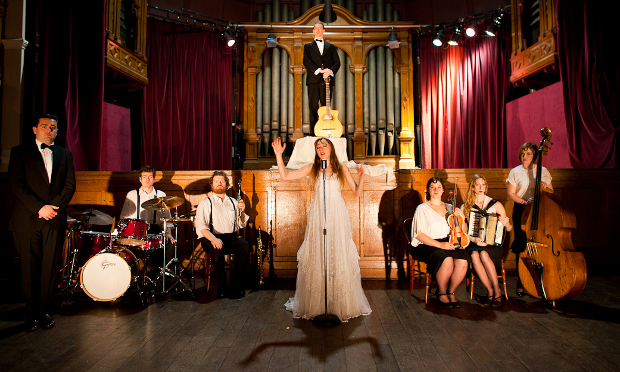
WP_000121It remains to be seen where the emerging company, Little Bulb Theatre, slots into this picture but if awards were given for fitting productions to locations then their charming and quirky take on the tale of Orpheus and Eurydice would be walking away with a basketful of silverware. The BAC proves a lovely backdrop to an evening that strives valiantly to give a flavour of the 1930’s Parisian scene but knows enough of its flaws to have its tongue placed firmly in cheek throughout.

The problem, encountered in dreamthinkspeak’s latest production, with site-specific work is often they try to shoehorn a concept into a space that does not fit, or that the budget cannot do justice to. What remains is often a po-faced production that hopes you won’t notice that more time was spent dressing the set then developing characters.

Little Bulb’s Orpheus has similarly paper-thin characters – Orpheus is apparently Django Reinhardt but, other than explaining his ability with the guitar, that fact has no bearing on the play and is not developed with any real sense of purpose – but it spends a great deal of energy winning over its audience with an exuberance that is in keeping with the vaudeville staging.

The cast perform and the BAC is transformedThe silent movie backdrop is another way of avoiding explicit character development in favour of style without undermining the production. It allows for big, expressive gestures and emotion demonstrated through action rather than internalised – another reminder to the world of the music hall. This creates a deliberate undercurrent of comedy that runs through the production; to the modern audience this style of acting seems so alien – a strange hybrid of Victorian stage-acting, mime and early 20th century cinema – that it is difficult not to warm to despite it undermining the tragedy within the Eurydice story.

Little Bulb are well supported in their endeavours by beguiling central performances; Eugenie Pastor as Eurydice and Dominic Conway as Orpheus look as if they have just stepped of the set of the latest Dietrich film. Pastor’s doe-eyes deserve a special mention of their own, as they retain a now almost-lost Clara Bow-like ability to portray a moving tableaux of longing to tragedy to absurdity in one fluid movement, whilst Conway’s profile is every-inch the slightly louche heartthrob – never the matinee idol but the one that parents would warn their daughters about.

<<Continue to full review>>