Birds of Paradise in Arden’s Forest

Arden Creatures – Footfall Theatre @ Cockpit Theatre, 25 August 2015

Time was when August was a month when theatrically-inclined Londoners could catch their breath. Brave parents would wave goodbye to aspiring thespians at Kings Cross and with a song inedc_asyoulikeit_081215_rehearsal_116
their hearts, a rucksack full of dreams and a hand filled with flyers, bright young things would flock north of the border ready to discover that the course of the Royal Mile never did run smooth.

The Camden Fringe, celebrating its 10th anniversary this year, rather adeptly stepped into the breach and offers what perhaps could best be described as the Fringe’s Fringe. Rather than have venues lie fallow in August, it offers a wide variety of performers a chance to test out new material without having to make the kind of financial commitment Edinburgh requires.

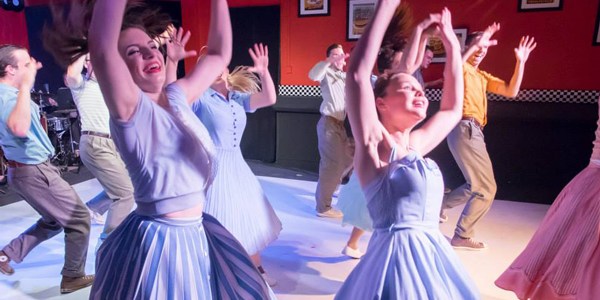
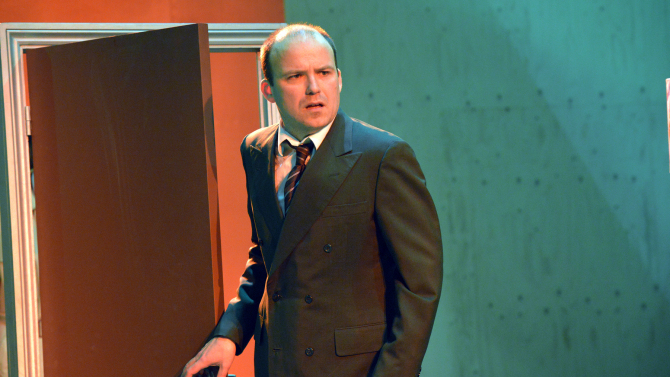
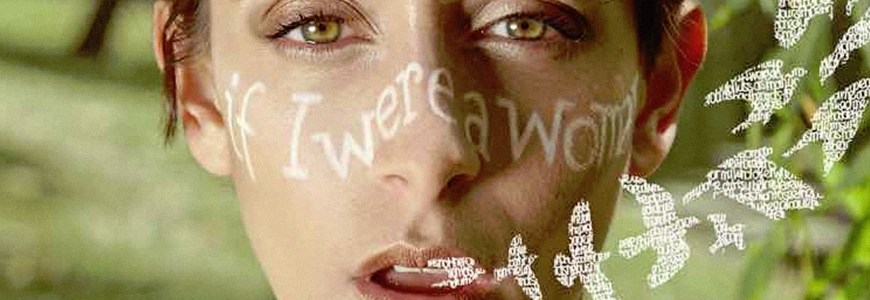
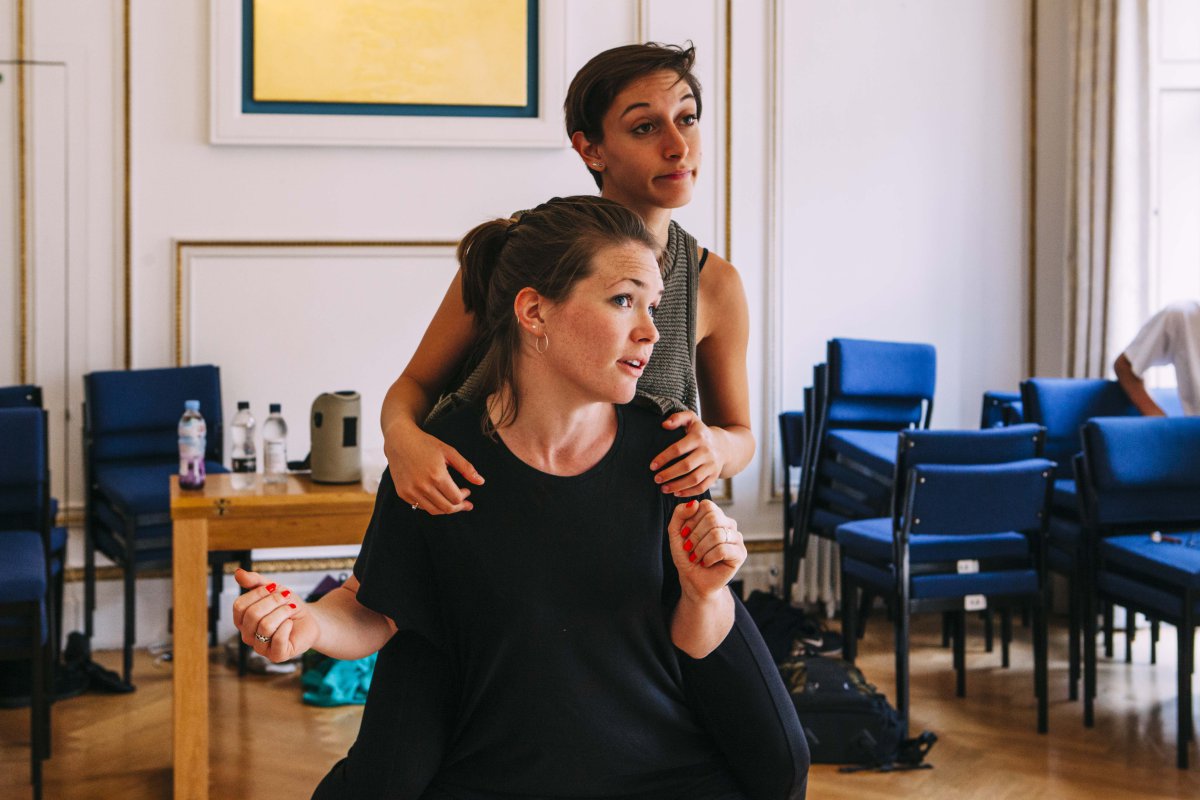
Footfall Theatre took the Edinburgh route last year and their show, Lear’s Daughters, sold out at the Fringe before getting a Christmas run at the Hope Theatre. It was a text that fit clearly with the newly formed theatre company’s mission to explore how to bring new life to the female voice in Shakespeare. This blog is a sucker for any attempt to do something innovative with Shakespeare (hence a joyous trip to mercurial avant-garde polyphonic Polish renditions of King Lear) and so this philosophy instantly attracted me to Arden Creatures, performed at the Cockpit Theatre as part of the Fringe.

<<Continue to full review>>

Bloggers, Press, Twitter-spats and Facebook-cliques. Or how to cause offence without really trying

As much as we like to pretend otherwise, the vast majority of blogs are read by not many people. That doesn’t reduce their value. If people are reading what you have to say, and gaining something from it then does it matter if it is 10 people or 10,000. Brand recognition, quality of writing, length of service or knowing how to game google; whatever the reason, there are few sites that hoover up the vast majority of web clicks searching for reviews.

This blog has always been comfortable with its hit count (its not the number of clicks that matters but the number of repeat visitors, ooh-er missus etc etc). And anyone who has bothered to read anything on the site will note that it contains an almost perverse desire to write in a style entirely out-of-keeping with the move to Buzzfeed listicles and short-form content designed to be read through the latest phone gadgetry.

Equally there has been a conscious desire to avoid giving star ratings. The classic 5* rating is a ridiculously unsubtle device for providing a quality rating (assuming equal banding, the difference between a 3* and 4* show could either be 1 or 39 percentage points; hardly an equal assessment of quality) and reading many many blogs, I am convinced that very few would hold true to Gaussian distribution patterns come the end of the year. Other factors do come into play (going to see shows you are more likely to like) but given a theatre review should help people make an informed decision on whether to see a show, it is hardly helpful if everything you see is a 5* classic.

Friends have called me a tough reviewer but that is because I see a lot of ‘good’ shows, and so a 3* rating for me would be indicative of a ‘good’ show. This year I have seen four shows I would definitely have given 5* to, and maybe another two that were on the cusp. However the primary reason this site doesn’t give star ratings is because people should take the time to read what it has taken the writer time to think about and write.

Ultimately its about personal choice. The web is brilliant because it doesn’t constrict you. There are no rules. This site has its own philosophy but it doesn’t seek to impose it on other people.

Yet there is also social convention. And here we get onto more unsure ground. Do we say that conventions do not apply on the web. This ventures into the land of the trolls. Most people feel that conventions, the unsaid rules that govern the functioning of society apply online. They might accept a certain loosening of the rules but we feel there are limits to this. Personal moral codes have no weight online but the majority of people would agree that issuing rape threats to female journalists for having the temerity to express an opinion is beyond the pale.

However these are the extremes. What about the everyday unwritten conventions of the blogging world. They may not matter to everyone, but break them and unleash the hellfire of Twitter upon you. And thanks to The Times, The Daily Mail and assorted publications, the journalist silly season has had the perfect content to bring this into the wider world in the form of the Barbican, the Benedict and the Bard. The preview is a theatrical convention that has held for years. You do not publish a review before press night because press night is the first night. That the media broke this is frankly ludicrous but the fall-out in the blogging community has been substantial and often quite illustrious.

The desire for the most clickbait-y post is understandable. But London theatre bloggers are a tight-knit community and breaking this code was never going to go down well. We are fully aware of the contempt and sneer that the likes of Dominic Cavendish and more ill-informed commentators hold us in. Lets not give them any more ammunition.

So the wonderful folks who have set up Theatre Bloggers (the soon-to-be-far-away Rebecca Felgate, the mysterious West End Wilma and doyenne of the South-East theatre scene, Sammi O’Neill) have come together to produce a set of blogging guidelines. These aren’t rules, they aren’t a charter, you won’t be excluded for not following every single one. Rather they are practical tips if you want your blog to have the veneer of professionalism (and if you don’t want that, then that’s ok too).

And just remember (jazz hands at the ready) – to paraphrase Matron ‘Mamma’ Morton – “when you’re good to theatre bloggers, theatre bloggers’ good to you”
Click here for the blogging guidelines.

Bye Bye Birdie, Hello sexually frustrated small-town America

Bye Bye Birdie – Ye Olde Rose & Crown, until 04 September 2015 (Tickets)Bye-Bye-Birdie-c-David-Ovenden-500x350

Life in post-war America seems to be one of the most curious periods in recent history. Despite, or more likely because of, the horrors of the previous decade, the 1950’s gives the impression of existing in a snowdome; a quaintly innocent age forever frozen in time protected from the changes to come. Apple pie, mom and pop diners, white-picket fences, the nuclear family; snapshot stereotypes summoned up by small-town conservatives as they hark back to a period they feel we never should have left.

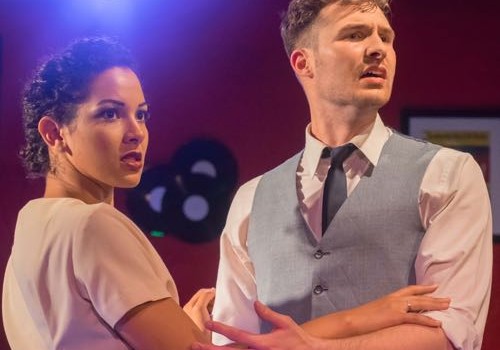
byebye1Uncovering the truth behind the myth is one of the joys of Bye Bye Birdie. Performed on Broadway in 1960, this Tony-Award musical is notable for retaining its modernity right into 2015. Spoofing the hysteria surrounding Elvis Presley’s draft notice into the army, it explodes ideas that are often casually accepted about the period and raises questions about how rose-tinted are the glasses through which we look to the past.

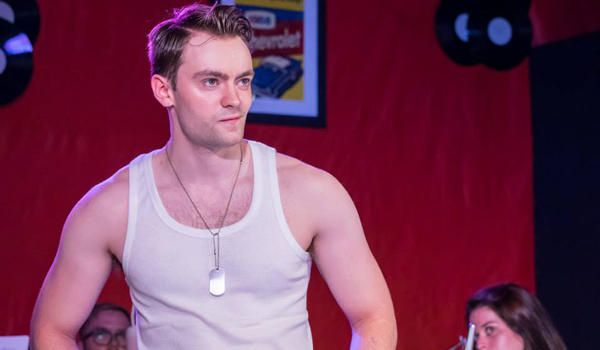
Sharply written, it captures the casual racism (witness an amazing string of close-to-the-knuckle one-liners spewing forth from Mae Patterson’s Jayne Ashley) and assumed patriarchal control (witness a highly hilarious rant from Harry Hart’s continually undermined Harry Macafaee) of the times. It is a world where girls become women at fifteen and are seen as fair game from predatory rock ‘n roll stars. The town has a bubbling undercurrent of sexual frustration slowly heading towards boiling point before exploding with the arrival of Zac Hamilton’s Conrad Birdie.

That it found an audience in 1960 America is perhaps not surprising, but it is also not so surprising that it has fallen out of fashion in the UK to the extent that it has never had a major UK revival since playing for 269 performances in 1961. It is not really ‘our’ history. We were too busy clearing up bomb damage and inventing skiffle to find time to buy a Buick Convertible and head off to the 5-and-dime for a soda pop.

<<Continue to full review>>

A moving performance (comes with own travelator)

The Trial – Young Vic, until 22 August 2015 (Tickets)

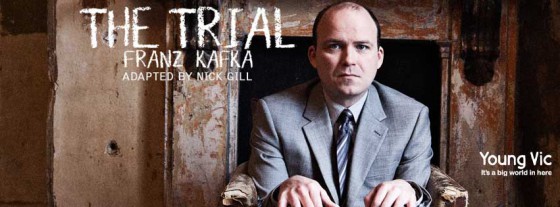
Given the number of perplexed reviews that accompanied Richard Jones’ production of Kafka’s The Trial, it is a surprise that so many critics avoided the obvious puns the title allows (the honourable exception naturally goes to the Daily Mail). This production certainly reinforces the impression that Richard Jones is a director whose work divides critics between those who feel that his directorial hand does not give the text a chance to breathe, and others who find value in the kitsch lunacy that he establishes through his visual style.

It is a style that is so unique as to be instantly recognisable. The importance that visuals play in his work means that credit ought to be shared with his regular collaborators; designer, Miriam Buether, and costumier, Nicky Gillibrand. In both Public Enemy (his reworking of Ibsen’s Enemy of the People) and The Trial, he creates a world that could have come out of a Lynchian vision of a Californian wife-swapping party. The colour palette leans defiantly towards the 1970’s and is almost aggressively lurid. Yet behind the warmth of the orange and peach tones he establishes a clinical coldness that is reminiscent of Kubrick’s best work.

The Kubrick reminder can hardly be avoided as Nick Gill’s translation gives Kinnear’s Josef K an internal monologue written in a form of English that is not so different from Alex in A Clockwork Orange. This is the most problematic aspect of a mostly enjoyable production. Having spent a week reflecting, I am no closer to why the decision was made to give Josef K this curious internalised language. The play appears to suggest The Trial is located in sexual angst (a contentious point in its right) and Josef spend much time recounting the historic fantasies that have turned him into the person he has become. It might make sense that the dialogue was babyish, as it would lean towards giving the play a Freudian spin, but instead it is more of a freeform organic narrative that flexes adult English to its own purposes.

<Continue to full review>

Community tensions on a mysterious island

Secret Theatre Show, Secret Theatre Lab – London City Island, until 01 September 2015 (tickets)Secret Theatre Show, Secret Studio Lab (2)

Well Secret Theatre proves a tricky one to review. Given the whole purpose of the enterprise is for the show to be, well, secret, there are some fairly clear difficulties in talking about it without giving the whole game away.

In actual fact, press have been given permission to name the play in question. However that does not feel quite in keeping with the spirit of the event and so this review will provide some general clues and maybe a few more cryptic hints along the way – probably enough to give most readers a likely shortlist.

The production is of an existing play. Secret Theatre Lab have previously adapted Edward Scissorhands and Reservoir Dogs for live shows, but in this case the work is a regularly staged play. It is an extremely well known story. The chance of not being aware of it is very small indeed. And if you went to school in England then it will be practically zero.

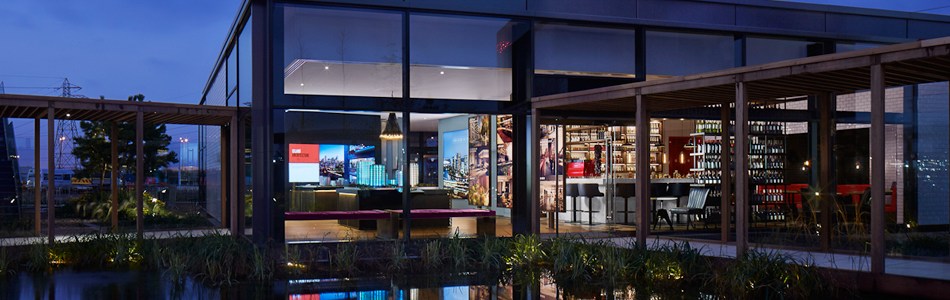
It takes place in London City Island. One of those developments that rise unnoticed until you turn around one day and find that a previously unloved and forgotten corner of the city is now covered in flats being pitched at foreign traders who have a half million lying around in pocket change (not the penthouses naturally). It is canny choice of location. Not least because the half-built isolated state is perfect for a promenade production that requires both interior and exterior scenes. Everything is self-contained and there is less risk of unplanned factors derailing affairs.

<<Continue to full review>>

Continuing adventures in Podcast Land

A little bit delayed but a few weeks ago I was back in the booth for another episode of the As Yet Unnamed Theatre Podcast. This time play’s under discussion were Orson’s Shadow, Constellations, Bugsy Malone and As Is.

Joining our host, Tim Watson (http://www.londontheatregoer.com), was Julie Raby and Gareth James

You can listen here: As Yet Unnamed Theatre Podcast 

Enjoy (and, as always, thoughts and feedback are welcome)