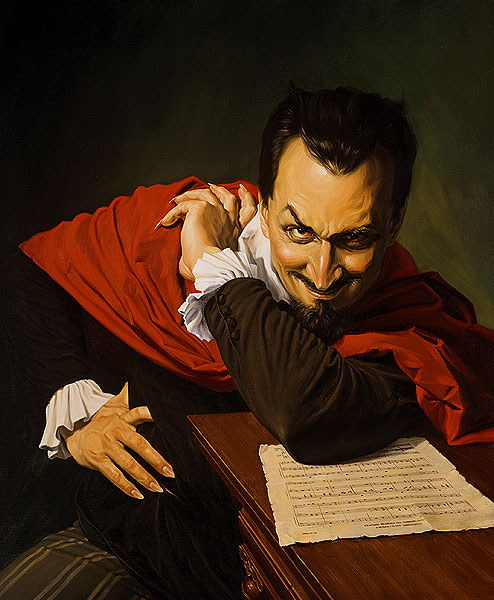
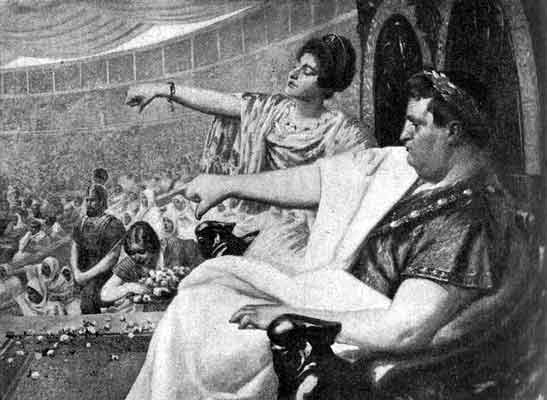
The Beggar’s Opera : A pictorial review

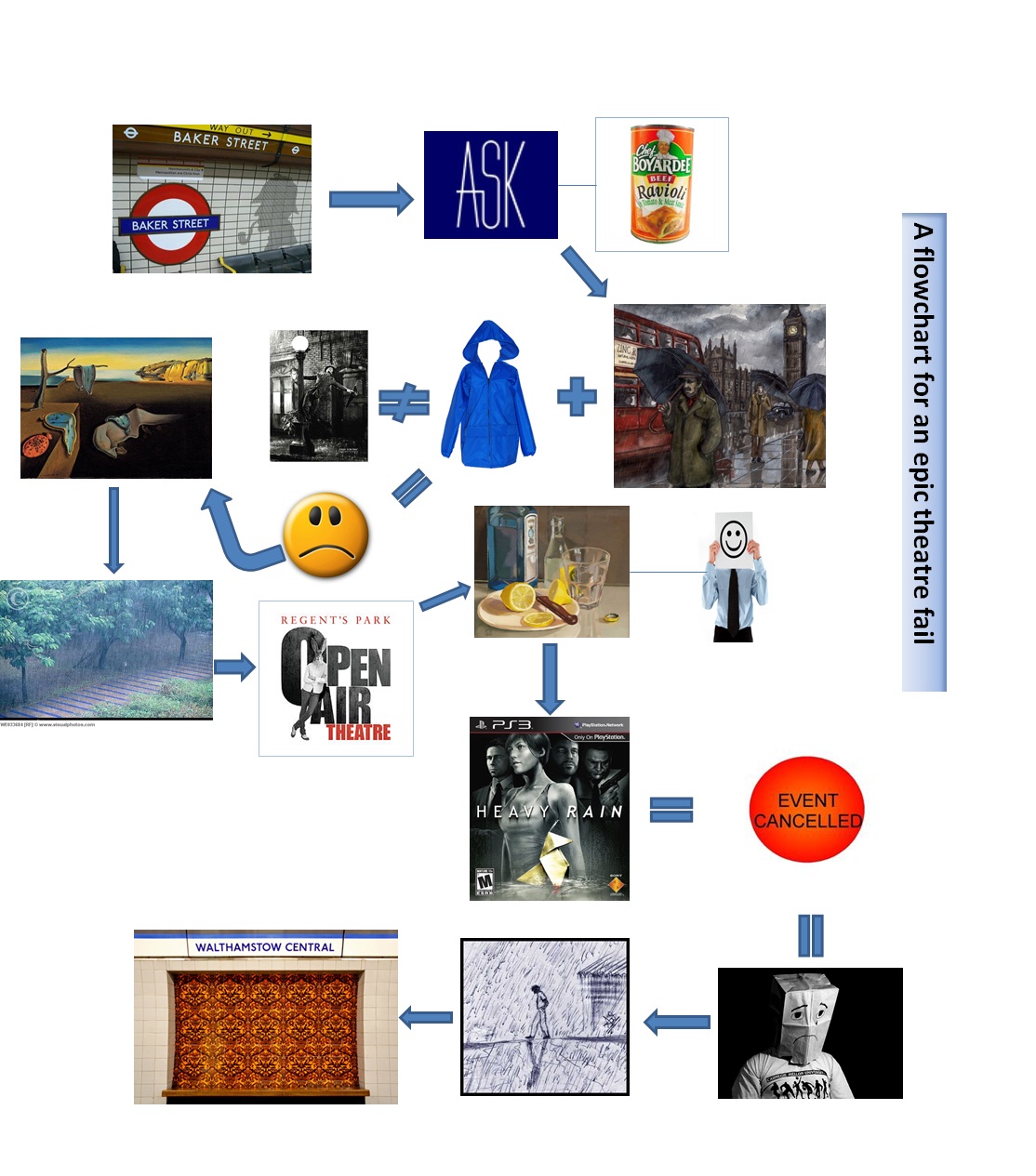
Last week, at the height of the glorious English summer, I decided to go and see John Gay’s classic popular opera, The Beggar’s Opera. An interesting piece that at the time satirised the excess of Italian opera, it is perhaps most famous today for Kurt Weill’s and Bertold  Brecht’s adaptation that turned it into The Threepenny Opera and the originator of the song, Mac the Knife. Anyway in a change to my normal prose, today’s review comes in the form of a flowchart.


Marvellous (wo)men and their flying machines

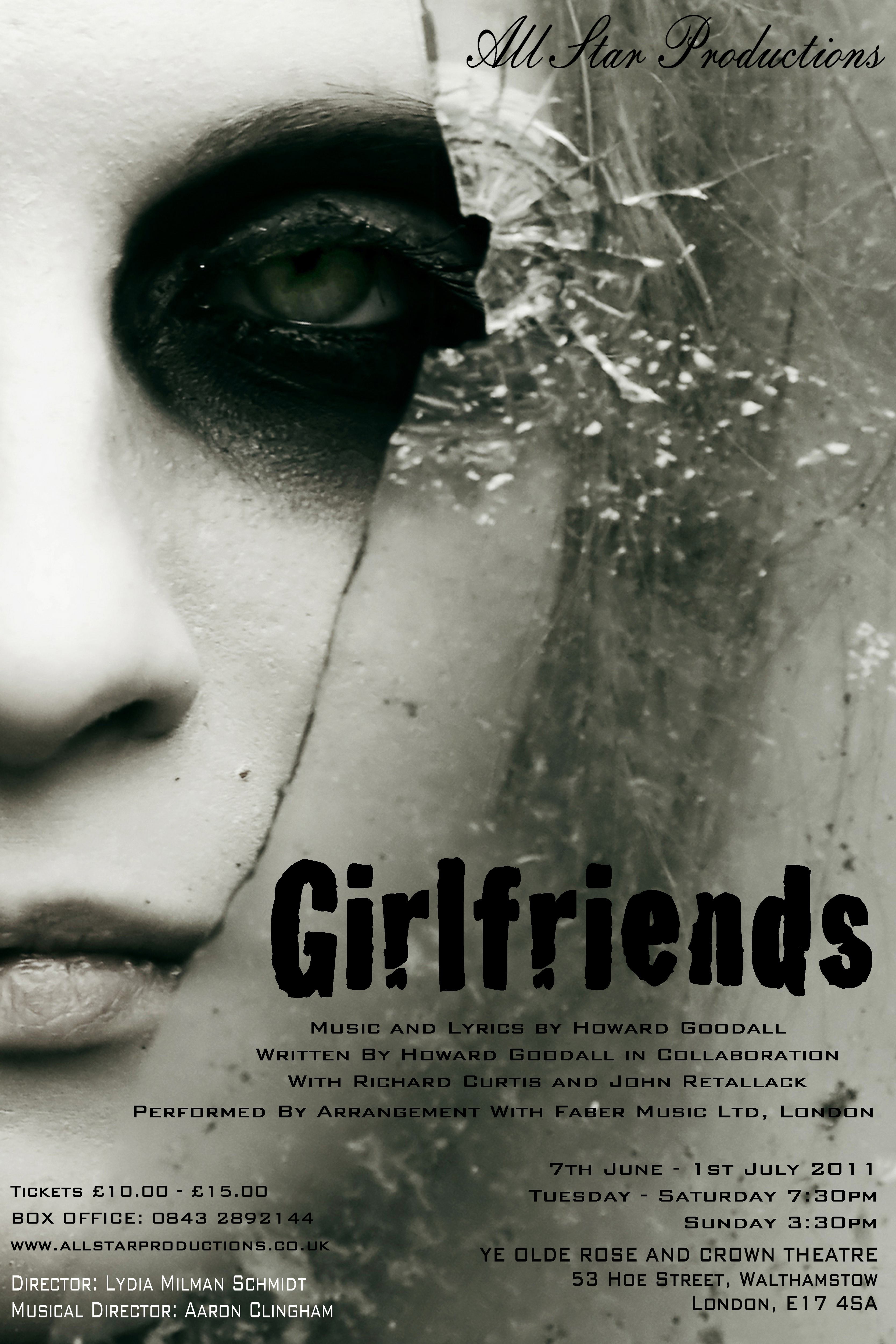
Girlfriends

Upstairs @  Ye Olde Rose & Crown, 01 July 2011

While watching All Star Productions revival of Howard Goodall’s 1986 musicalGirlfriends I was reminded of the sheer vastness of new British writing since the 1960’s. It can seem that there is a play for any occasion; metaphor for the crisis in Serbia? Try Sarah Kane’s Blasted. Verbatim reportage on a racist killing? How about Colour of Justice. Dissident Russian’s that require a full-scale orchestra? Stoppard’s Every Good Boy…should hit the mark.

Given this incredible legacy that exists it’s dispiriting to scan the West End and see endless Musicals based on bands – Thriller / Jersey Boys; films – Legally Blonde / Shrek; or written by Andrew Lloyd Webber Shakespeare – seemingly everything else.  All Star Productions should be congratulated for getting their hands on this little known musical that is written by one of our best known composers and with input from a young Richard Curtis. It may not be a classic but a man who has won an Ivor Novello, a BAFTA and been nominated for an Emmy is more than capable of writing a few catchy tunes. The fact it is a completely original musical comes as a huge relief  and at least a modicum amount of time has been devoted to a plot and characters, which if wafer-thin, is always engaging. Continue Reading Here

Malkovitch, Malkovitch, there’s no-one like Malkovitch

The Infernal Comedy – Barbican Hall, 17 June 2011

It is difficult to imagine the path that led John Malkovitch to decide that one of his rare forays into the theatre would involve producing a piece based on the true life story of the notorious Austrian serial killer, Jack Unterweger. If that is hard to picture then staging it is a darkly comedic one-man show, with a dead Unterweger recounting his life story alongside a string orchestra and two opera singers tackling selected arias from the likes of Mozart, Vivaldi and Haydn, must seem totally unfathomable.

To say that The Infernal Comedy is an original piece of work is something of an understatement. Sticking faithfully to the traditional adage of truth being stranger than fiction, the story of Unterweger is fascinating. Originally sentenced to 25 years for murder Unterweger became a cause celebre among liberal Austrian intellectuals, who held him up as a model for the powers of rehabilitation on the basis of his poetry and short stories.

In 1990 Unterweger was released; soon becoming a national celebrity and writing articles about the conditions of Austrian sex workers. However, within a year of his release he had killed six more prostitutes and, even more audaciously, murdered three more in California after being invited to America. Eventually caught, Unterweger hung himself in prison after again being found guilty of murder.

That this story works as a play is testimony to the virtuoso performance at its centre from Malkovitch. In cinema he has become the by-word for a certain type of ‘acting’. And whether you love or hate him there is denying that he is one of the few actors around today who envelops the screen whenever in shot. It is this magnetism that propels the play forward.  Continue reading here

Sheridan meets Brecht: when legends collide

School for Scandal – Barbican Theatre, 14 June 2011

There isn’t much left to write about the Deborah Warner directed School for Scandal currently playing at the Barbican. An award-winning director who was most recently seen at the National with a stellar production of Mother Courage and Her Children, Warner’s original take on Sheridan’s 18th century classic became the rather surprising subject of unusually intense critical debate, before descending into a rather indecorous war of words between Warner and the theatre critics, Michael Billington and Charles Spencer.
The production demonstrates fairly conclusively that Sheridan’s restoration comedy continues to withstand the test of time. A sparklingly witty acidic comedy, the dense wordplay maybe be occasionally hard to follow for modern audiences but taking the time to really listen is more than worthwhile, with a script packed with lines biting enough to make you think of an 18th century Thick of It. The cast do fine work with the material. Alan Howard as Sir Peter Teazle is first rate, finding the perfect blend of genuine compassion mixed with the kind of grumpiness evident in older men who find themselves in a fractious relationship with a younger wife. It is interesting to watch Howard and remember back to a time in the 1970’s when he was one of the coming men of the stage, running through the repertoire of romantic leads for the RSC. Matilda Ziegler’s Lady Sneerwell and Vicki Pepperdine as the irrepressible Mrs Candour are both excellent and wring the maximum amount of humour out of two of the funniest roles in the play.

Leo Bill, playing Charles Surface as a trustifarian with a, very deeply hidden, moral centre, is entirely convincing. A bundle of nervous energy, constantly on the move, Bill injects some much needed pace into a play that, while constantly zipping along and never feeling flabby, is still a three hour haul.

However fans of Sheridan maybe scratching their heads at the description of Charles Surface as a trustifarian and this is where problems in the production begin to arise. The criticisms of Warner’s production have focused on the modern flourishes that have been brought to the play and a certain irritation that parallels with society today were being, in some cases literally, clearly signposted for the audience. Continue reading here
Just enough Sturm und just enough Drang

The Damnation of Faust – English National Opera, Coliseum, 20 July 2011

3 Performances left before Tuesday 07 June

Reputedly when Hector Berlioz saw the first productions of The Damnation of Faust he concluded that it was impossible to stage as the production techniques of the time could not bring the drama to life. Had the risks of selling your soul to the devil not been made abundantly clear then I might have been sorely tempted to offer much in return for Berlioz being able to witness what happens when thoroughly 21st century technology is let loose on it. It is hard to believe that he would not be impressed with the result.

Some critics expressed surprise that the ENO would take a risk on Gilliam but it has hard to think of a film director who might be better suited to the demands of opera. A man often regarded as holding cinema’s most rampant, if occasionally incoherent, imagination seems like an ideal choice for a medium where the audience’s suspension of disbelief is often asked to hang off the smallest threads. His films demonstrate that he never lacks for ideas even if it does occasionally comes at the expense of a coherent narrative; The Imaginarium of Dr Parnassus gave the sensation of being fed a succession of amuse-bouches, each one a delicate and delightful treat but in the end never providing the satisfaction gained by a well-planned three-course dinner.

However this approach makes Gilliam well suited to Berlioz’ Faust, a piece often described as a series of musical sketches rather than fully-fledged opera. It flits between styles and scenes in a manner that gives Gilliam free license to let his magpie approach to directing run riot. There is no unifying directorial style in the production but instead the audience are led, by Faust and Mephistopheles, through a history of unified Germany up to World War II; Faust’s final descent into hell appearing inextricably linked to a nation bent on following a similar path.

Gilliam, without forgetting the credit that is due to the brilliance of Hildegard Bechtler designs, has created an unforgettable masterpiece that creates substance out of style. Each scene is unique and can stand alone from the rest of the production; this leads to a potential disjointedness in the production but Gilliam’s vivid creativity and thoughtful transitions between scenes means the audience is not allowed to rest and are continually drawn into the immediacy of the production, senses overwhelmed by a panoply of sound and image.  Continue reading here.

Opera on a shoe-string

Coronation of Poppea – Kings Head Theatre, Islington, 19 May 2011

The Coronation of Poppea is on as part of the OperaUpClose repertory programme until the end of June 

Not always a nice man...

The startling success of OperaUpclose’s debut production, a modern-day, stripped-down promenade La Boheme, is the kind of story that semi-professional companies usually can only dream of. Six-months at the Cock Theatre in Kilburn put it in the record books as the longest consecutive run of any opera in history, and this was followed up by two six-week sold-out runs at the Soho Theatre. However this kind of instant success brings with it a level of critical scrutiny that might concern even the most long-established groups. Any new production is likely to be picked apart to see if it was a one-off, particularly among opera critics who have a reputation for being notoriously difficult to please.

Establishing a repertory programme at the Kings Head Theatre in Islington made clear that there was an enthusiasm to build on the popularity of La Boheme and bring opera to the masses (the well-heeled masses of Islington at any rate). A seasonal programme that mixed classics like Madame Butterfly and Barber of Seville with less well-known work such as Montiverdi’s Coronation of Poppea suggested a company that were savvy enough to know what would appeal to both mass audeinces and critics.

However early signs weren’t good as rumours about the exploitation of backing singers seeped through the press and a version of Madame Butterfly felt a big misstep; disjointed, badly staged and unsuited to the venue, it raised a big question-mark over whether La Boheme was anything more than an amusing one-off. A big problem with Madame Butterfly was due to the limitations of the Kings Head and the needs of repertory programming requiring much simpler settings meant the production lacked the basics that made La Boheme such an appealing prospect; promenade staging and a fantastically realistic set.

Knowing that these would not have been resolved for Coronation of Poppea meant the production was approached in trepidation. However, in a huge coup for OperaUpClose, Mark Ravenhill has been brought on board as an Associate Director of the company. The Coronation of Poppea marks his directorial debut and from the start it was clear that there was someone with experience working behind the scenes.  Continue reading review here