Electra – Old Vic, until 20 December (Tickets)
There is no doubting Ian Rickson and Kristin Scott-Thomas make a formidable team; in their four collaborations they have covered Pinter to Sophocles by way of Chekhov, walked off with an Olivier award and garnered a hatful of plaudits. Electra, at the Old Vic, may be the least balanced of the Rickson/Scott-Thomas productions but it is hard to deny the towering performance at its centre from Scott-Thomas that cements her place as a first rate stage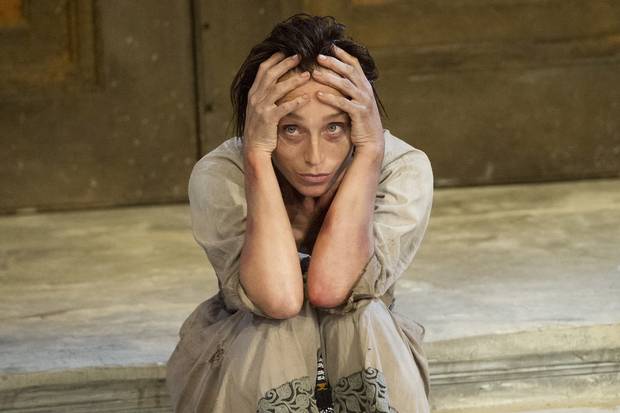 actor.
The story of the death of Agamemnon, the duplicity of Clytemnestra, the debasement of Electra and the return of Orestes is one that retained a mythic quality from its origins in Homer and its reappearance in the Delphic Oracle before it found itself reimagined over and over as theatre found its voice and as Aeschylus, Sophocles and Euripides began to create the traditional boundaries of drama.
It is a story that would’ve been well known to its ancient audiences, and just as modern directors continually reinvent Shakespeare so we find ancient Greek playwrights going back to the original myth and reframing it for a new generation. The curious thing about the Old Vic’s version is that it has lost something of why the story would have been regarded as essential to an ancient audience.
Often the disconnect is in modernity jarring too heavily with the ancient world; a problem found in the National’s recent production of Medea, and that ultimately saw Ben Power’s translation tie itself in knots and changing the ending to fit between the two positions. However in Frank McGuinness’ translation the problem is the reverse – whilst the play feels authentically ancient in set and language, the actual plot is strangely pallid. It is hard to know where the tragedy is in what we are watching.
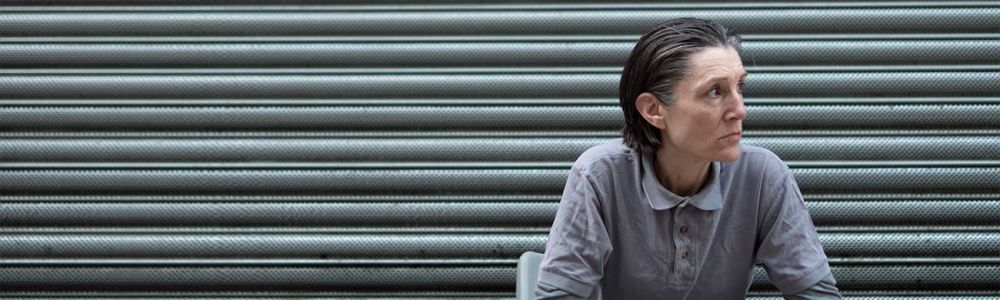
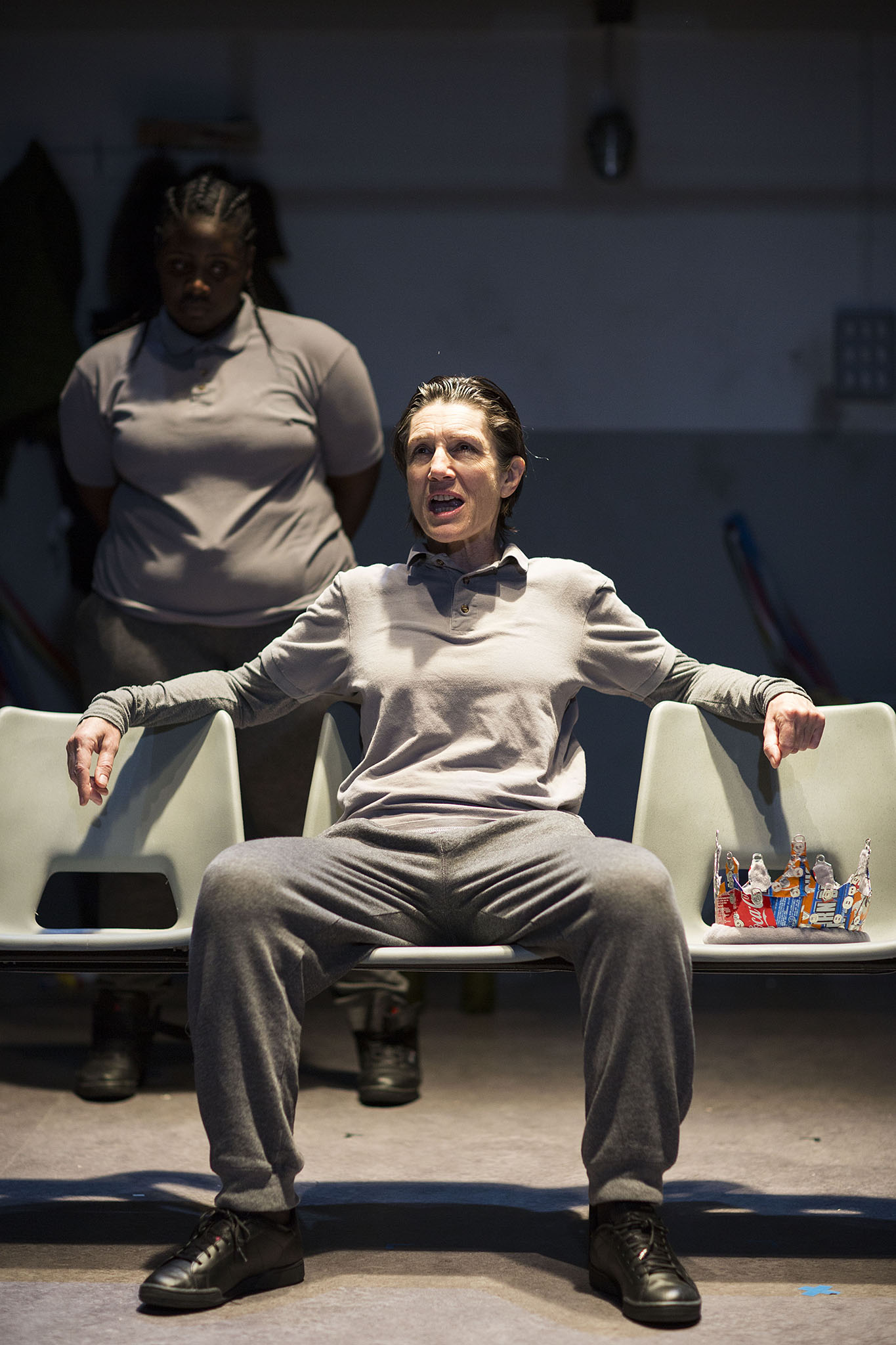
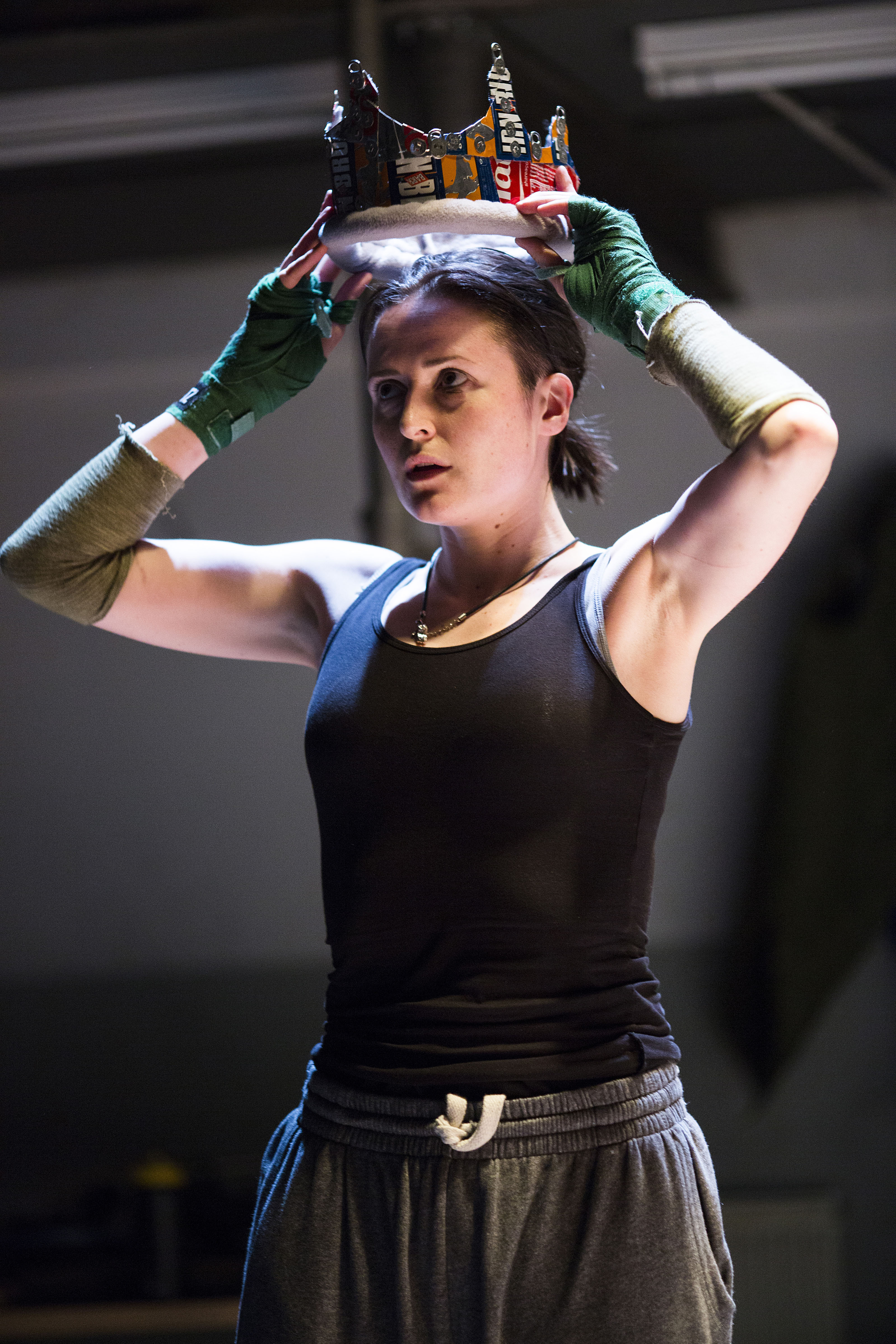
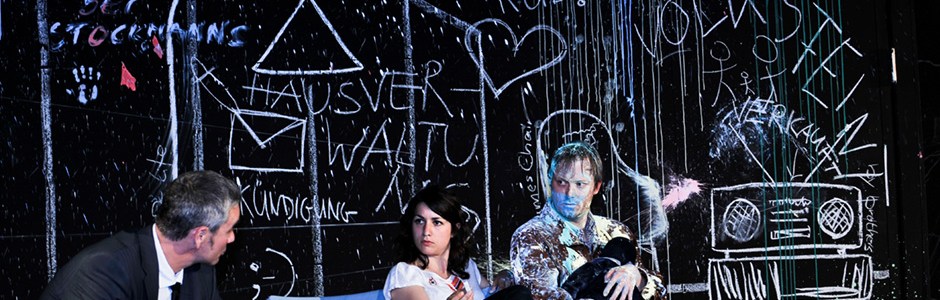
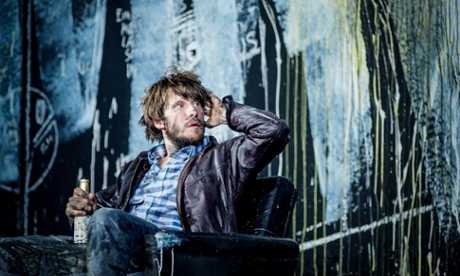
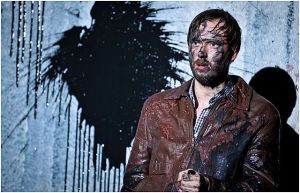 Ostermeier seems to be a man who will be anything but be dull. He brings his own hyperactivity to the text and energises performances far past what audiences should find comfortable; Hamlet clocked in at 168 minutes without an interval, and An Enemy of the People doesn’t fall far short at 150. Yet the quality can be seen that, despite the ridiculous running time, the audience sat in rare rapt attention, with not a rustle or toilet break to be seen disrupting the action.
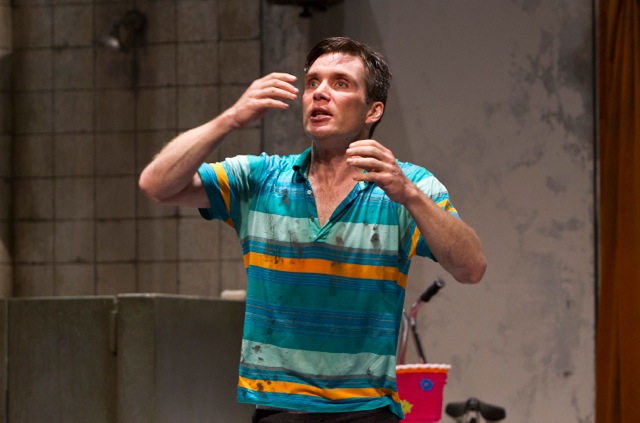

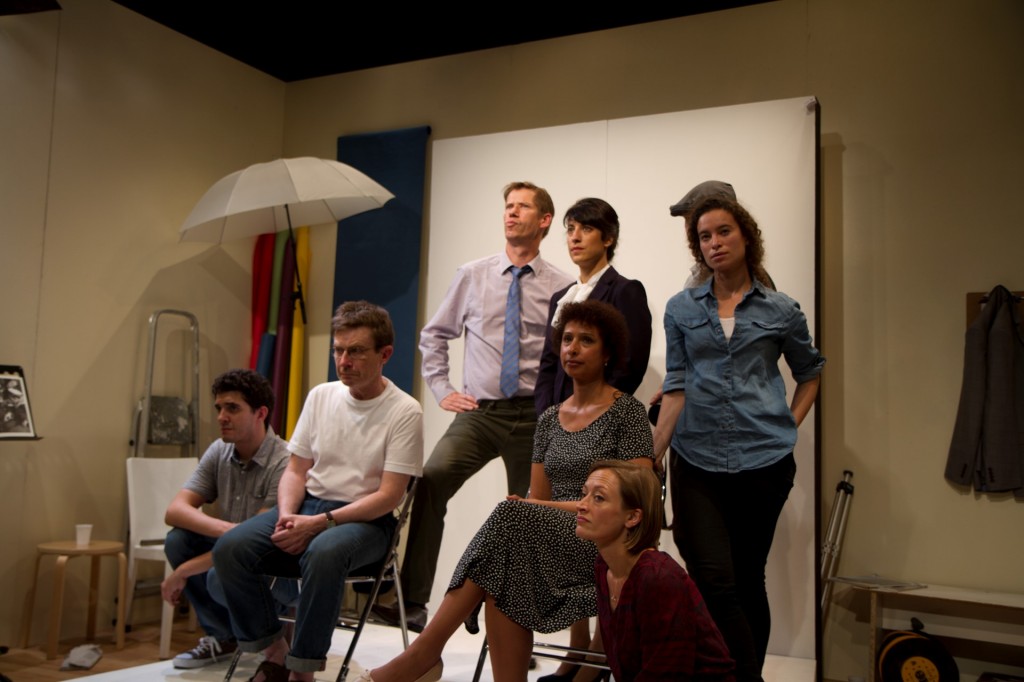
 I had really wanted to like this production if for no other reason than because I wish End of Moving Walkway every success. Whilst not a habitual attendee on the fringe-scene, I appreciate anyone willing to challenge the existing iniquitous model where access to performing is limited to those with the deepest pockets. End of Moving Walkway have taken the brave step of guaranteeing actors at least minimum wage for rehearsal and performance. It may not be a lot but it is better than expecting actors to exist on a wing and a prayer, and for this the company deserve praise.
 Civilian Theatre
